











Andropause is often described as the male counterpart to menopause, even though it manifests differently and is less abrupt. From around the age of 40 to 50, many men experience a gradual decline in testosterone levels. This hormonal change occurs insidiously and therefore often goes unnoticed for a long time. Fatigue, decreased performance, sleep disturbances, or increased susceptibility to stress are often attributed to everyday life and not linked to hormonal processes.
What is often overlooked is that dental health can also be affected by andropause. Hormones play a central role in metabolism, blood circulation, and inflammation regulation in the body, and therefore also in the gums, jawbone, and mucous membranes of the oral cavity. When testosterone levels drop, the gums' resilience can change, inflammatory processes can develop more easily, and regeneration slows down.
Many men notice increased gum problems, sensitive teeth, or a change in the feeling in their mouth during this phase, without recognizing the connection. At the same time, stress, lack of sleep, and work-related pressure act as additional triggers. The oral cavity thus becomes a sensitive reflection of internal changes, similar to hormonal shifts in other phases of life.
In this article, we explain what happens in the body during andropause , why hormonal changes can affect teeth and gums, and how men can specifically support their dental health to counteract problems early and remain stable in the long term.
What andropause does to the body
Andropause describes a hormonal transition phase in men, which usually begins between the ages of 40 and 50. Testosterone levels decline slowly and steadily. It is precisely this gradual change that often leads to andropause going unnoticed. Many symptoms are attributed to age, stress, or work-related pressures, even though hormonal processes play a central role in the underlying process.
Testosterone influences numerous bodily functions. These include, among others:
- Metabolism and muscle tension
- Blood circulation and tissue regeneration
- Inflammation regulation in the body
- Resilience of the immune system
When hormone levels drop, these systems become more sensitive. Inflammation can develop more easily and subside more slowly , while overall regenerative capacity diminishes. At the same time, many men report sleep problems, inner restlessness, and increased susceptibility to stress. These factors place additional strain on the body and reinforce each other.
These changes affect not only muscles and energy levels, but also the oral cavity. Gums, mucous membranes, and jawbones depend on stable blood flow and hormonal balance. If this balance is disrupted, the tissue can become more sensitive. Early signs often manifest as bleeding gums, increased sensitivity, or an altered feeling in the mouth. Those who take these warning signs seriously can take early action and specifically support their dental health.
Why hormonal changes particularly affect the gums
The gums are among the most sensitive tissues in the body. They are highly vascularized, react sensitively to inflammatory stimuli, and are closely linked to the hormonal balance. Therefore, when hormonal processes change, as is the case during andropause, this often manifests itself first in the oral cavity.
A drop in testosterone levels affects, among other things, blood circulation and tissue regeneration. The gums become more susceptible to irritation, minor injuries heal more slowly, and inflammatory processes can take hold more easily. At the same time, the immune system reacts less efficiently, making it easier for bacteria in the mouth to promote inflammation.
Many men notice initial changes during this phase without immediately being able to identify them. Bleeding gums when brushing, a sensitive or tight feeling in the mouth, or increased sensitivity at the necks of the teeth occur more frequently. Often, these symptoms are dismissed as age-related, although they can be closely related to hormonal changes.
Furthermore, stress, lack of sleep, and work-related pressure often increase during this phase of life. These factors further affect the gums and exacerbate hormonally induced sensitivity. The interplay of hormonal changes and external stressors makes the gums particularly sensitive and increases the risk of inflammation if no targeted countermeasures are taken.
Dental care and routine as a stabilizing factor in andropause
Especially during andropause, daily dental care takes on new importance. When hormonal changes affect tissue regeneration and gums become more sensitive, a calm, consistent routine becomes a stabilizing factor. It's not about more effort, but about the right kind of care .
Many men brush their teeth using the same routine for years. However, during hormonal changes, this familiar routine can be too intense. Too much pressure, hasty movements, or highly abrasive toothpastes can further irritate sensitive gums. Instead of protection, this creates unwanted stress in the oral cavity.
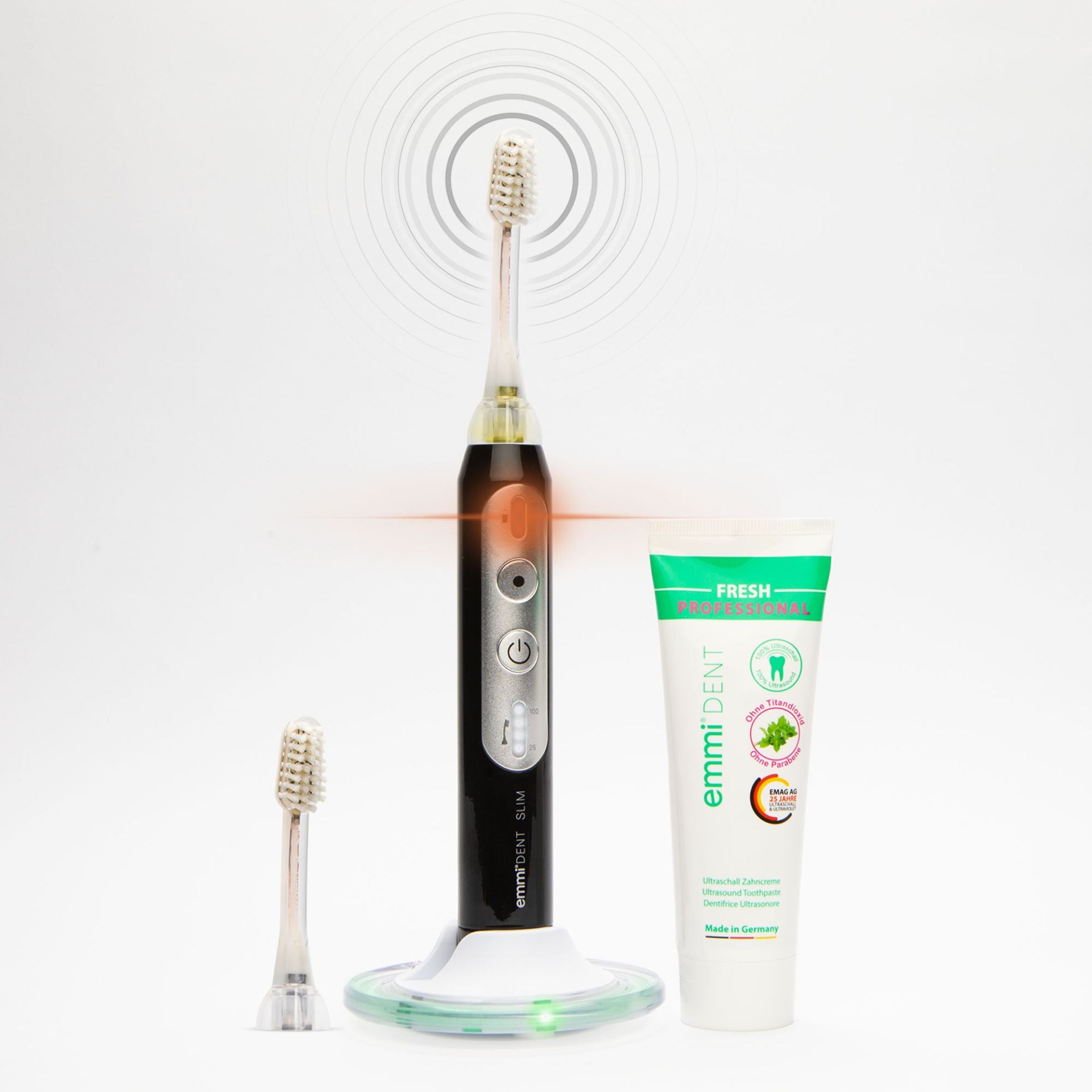
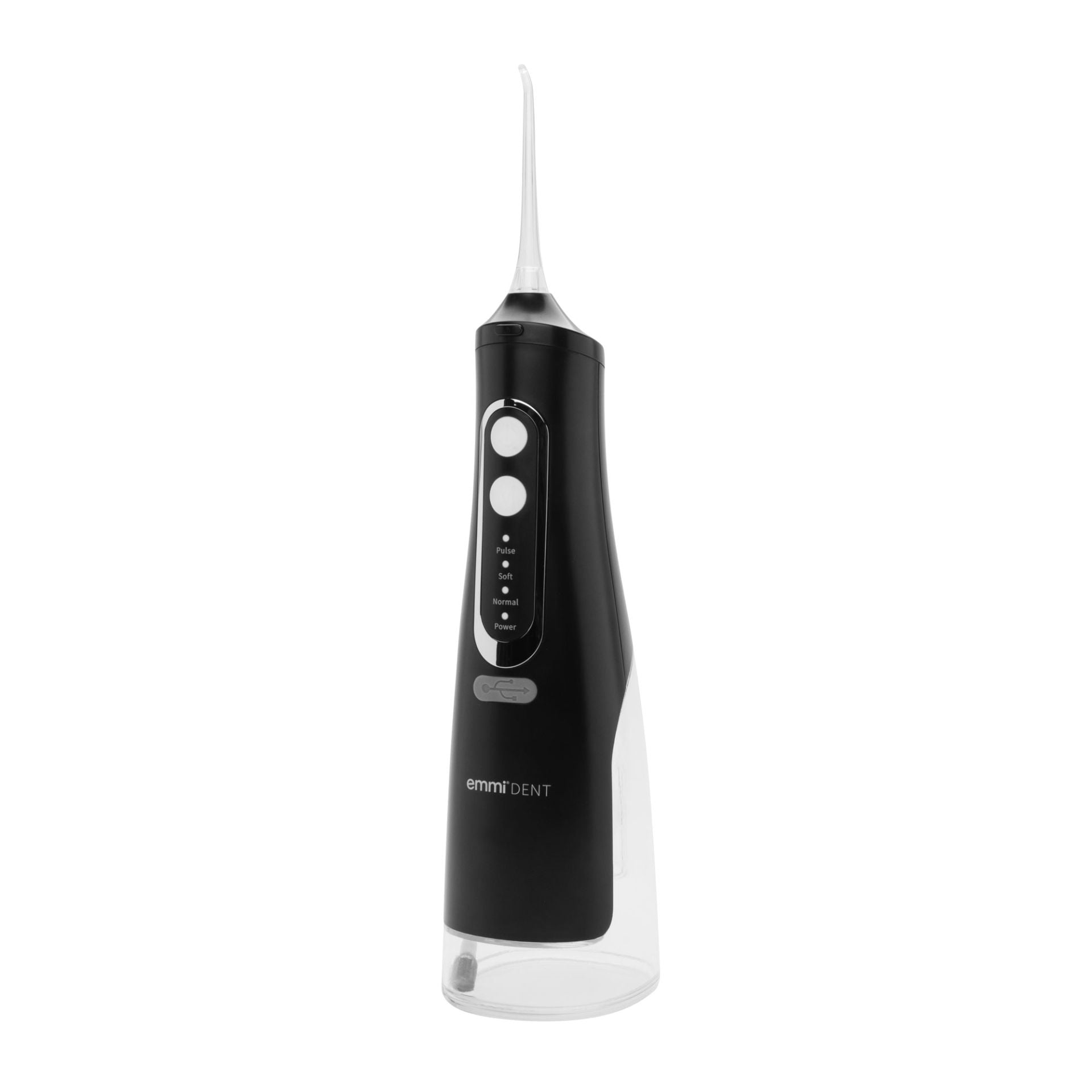
A dental care routine during andropause therefore focuses on gentleness, regularity, and relief . Thorough cleaning remains important, but should be done without unnecessary mechanical stress. The gums benefit from being kept clean without constant pressure. At the same time, gentle care helps the jaw to relax, which is especially important when experiencing stress-related tension.
The timing of your dental care is also crucial. Especially in the evening, it should be consciously considered the end of the day. A relaxed routine signals to the body that it can wind down. This not only has a positive effect on the oral cavity but also supports sleep quality and overall well-being.
During this phase, dental care becomes more than just hygiene. It becomes part of self-care and helps to balance hormonally induced changes in the oral cavity. Those who adapt their routine, pay attention to signals from their gums, and use gentle cleaning techniques can maintain healthy teeth and gums long-term, even during andropause.
Gentle whitening as a supplement to dental care during andropause
Many men notice over the years that their teeth appear darker or duller. This isn't just due to coffee, tea, or nicotine, but also to hormonal changes that affect the metabolism in the oral cavity. Natural regeneration slows down, plaque adheres more easily, and the tooth enamel appears less uniform.
Caution is therefore particularly advised during andropause. Aggressive bleaching products or highly abrasive methods can further irritate sensitive teeth and gums. Instead, a gentle whitening treatment is recommended, integrated into a gentle oral hygiene routine that does not irritate the mouth.
Gentle teeth whitening can be more than just an aesthetic issue. Many men find a fresh, well-maintained smile motivating and are therefore more consistent in integrating their oral hygiene into their daily routine. It's important that the whitening process is gentle, without mechanical stress or harsh ingredients , and that it can be easily combined with daily cleaning.
Combined with a gentle dental care routine, gentle whitening with our emmi-dent "White Teeth Set" can help improve the appearance of your teeth without overstressing your gums or tooth enamel. Especially during a phase of life when tissues are more sensitive, this combination is crucial for long-term dental health and a pleasant feeling in the mouth.
Mini checklist for dental health during andropause
Men especially benefit from clear, concise, and practical information on dental health. This checklist will help you adapt your dental care to the physical changes of andropause and address potential problems early on.
- Pay attention to gentle dental hygiene without pressure , especially if your gums are sensitive.
- Take bleeding gums seriously , even if it only occurs occasionally.
- Avoid highly abrasive toothpastes , which can further irritate sensitive tissue.
- Establish consistent oral hygiene routines in the morning and evening , instead of brushing irregularly.
- Pay attention to signs of jaw tension or teeth grinding , especially during stressful periods.
- Drink enough water to prevent dry mouth and mucous membrane irritation.
- Understand dental care as part of your overall health , not as an isolated measure.
Even small adjustments can make a big difference at this stage of life. Those who react early and consciously adapt their routine not only protect their teeth and gums, but also support their overall well-being.