








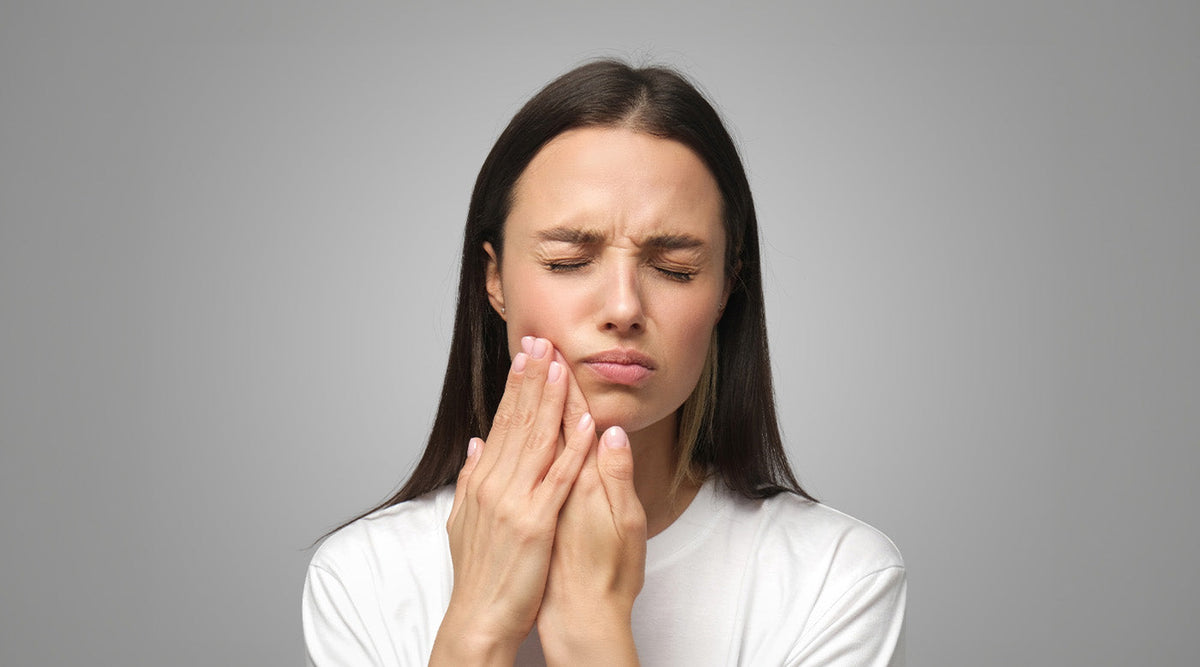
In this article, we explain why you suddenly keep biting your cheek or lip, what changes in the oral cavity could be behind it, and why repeated bite injuries should not simply be dismissed as coincidences.
Almost everyone has experienced it: While eating, speaking, or chewing, the inside of the cheek or the lip suddenly gets caught between the teeth. Most of the time, it's just a brief pain, and the incident is quickly forgotten. However, if these small bite injuries accumulate and recur seemingly without any recognizable reason, many people wonder if there's more to it. In fact, changes in the oral cavity, in the interaction of the masticatory muscles, or even small changes in the bite can cause the teeth to close differently than usual when chewing. This increases the risk of accidentally biting the sensitive oral mucosa.
Not always is there a serious underlying cause. Nevertheless, it is worth taking a closer look. Because recurring injuries to the cheek or lip can indicate changes that have developed gradually. Those who know the possible triggers and carefully observe their oral cavity can often better assess when simple measures are sufficient and when a dental examination is advisable.
Why you are suddenly biting your cheek or lip more frequently
For chewing to function smoothly, teeth, temporomandibular joints, masticatory muscles, and nerves must work together precisely. Every bite consists of thousands of finely coordinated movements that usually occur automatically. Even small changes can affect this delicate interplay. As a result, the cheek or lip can get caught between the rows of teeth more frequently when chewing.
One possible trigger is changes in the bite. New fillings, dental prostheses, or slight tooth displacements can cause individual teeth to meet slightly earlier or differently than before. Nighttime teeth grinding or clenching can also strain the masticatory muscles and alter the natural movement pattern. Some people also notice discomfort in the temporomandibular joint, a feeling of tension in the face, or morning jaw pain.
The oral mucosa itself can also play a role. After a small injury, the tissue often swells slightly. This causes the affected area to protrude further between the rows of teeth and get injured again during the next chew. This creates a cycle in which the same spot repeatedly gets caught between the teeth accidentally.
Repeated biting of the cheek or lip is often not a coincidence. Small deviations in the interplay of teeth, masticatory muscles, and oral mucosa often alter the usual chewing movements, thereby increasing the risk of renewed bite injuries.
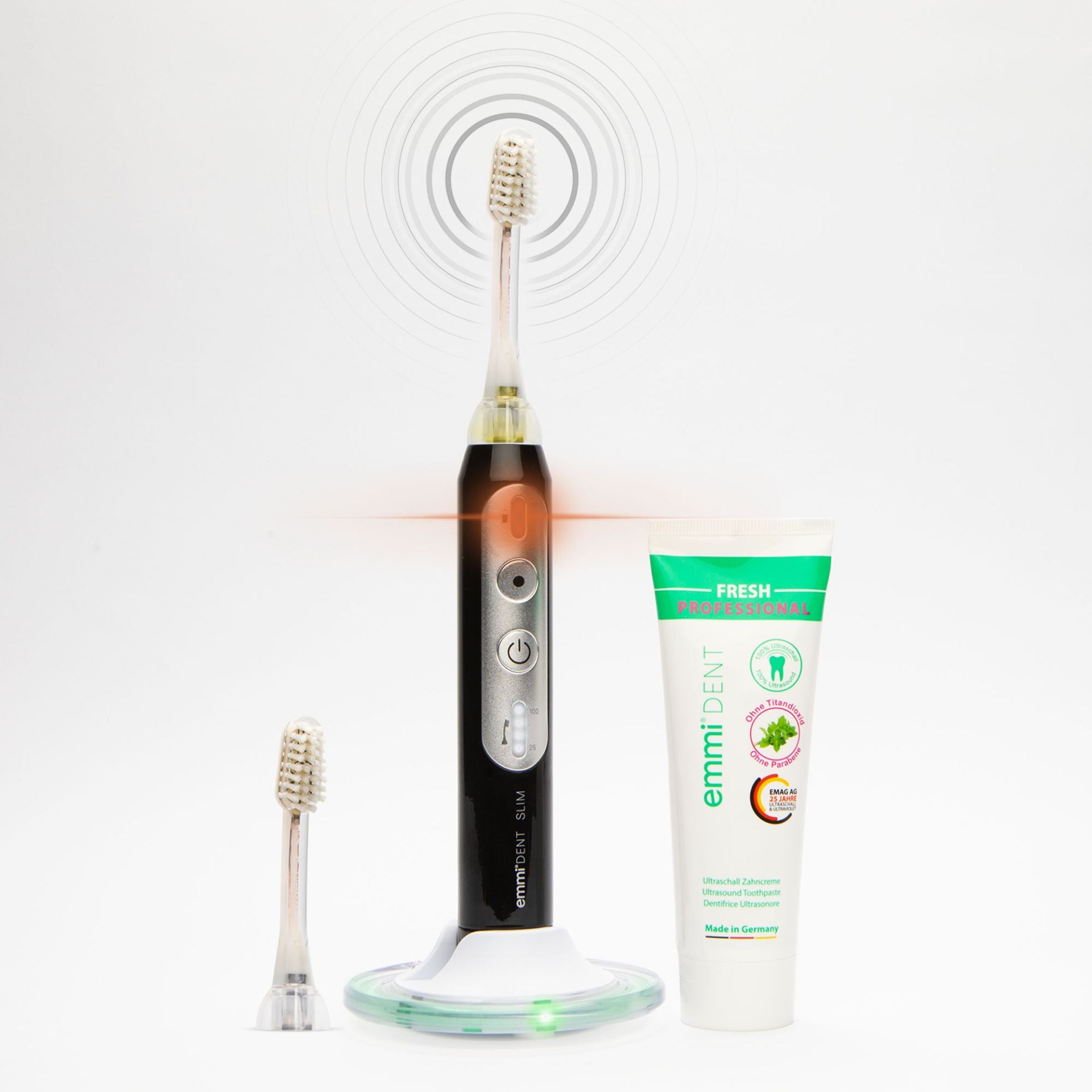
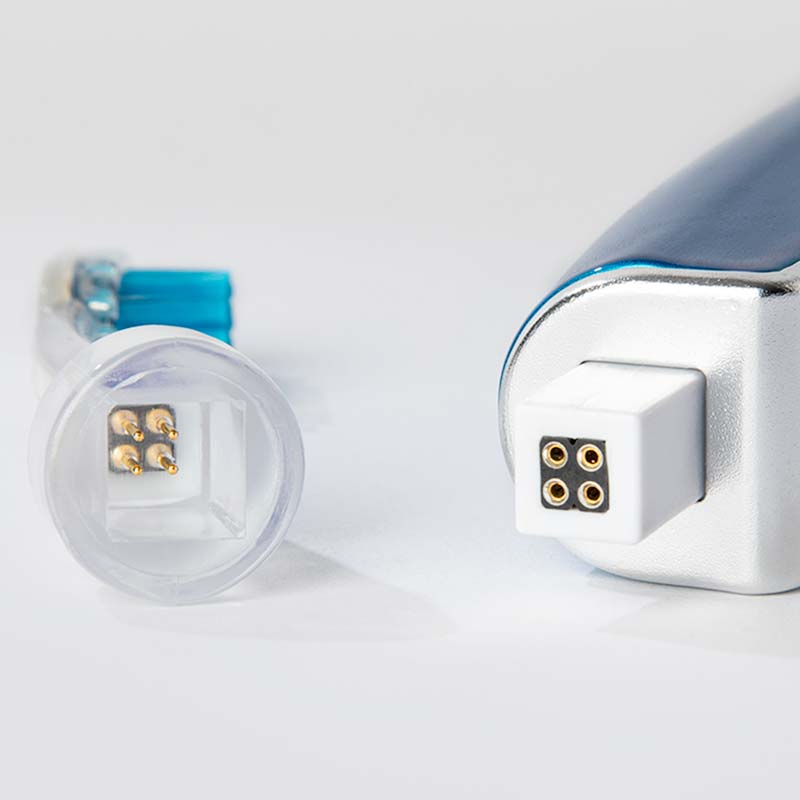
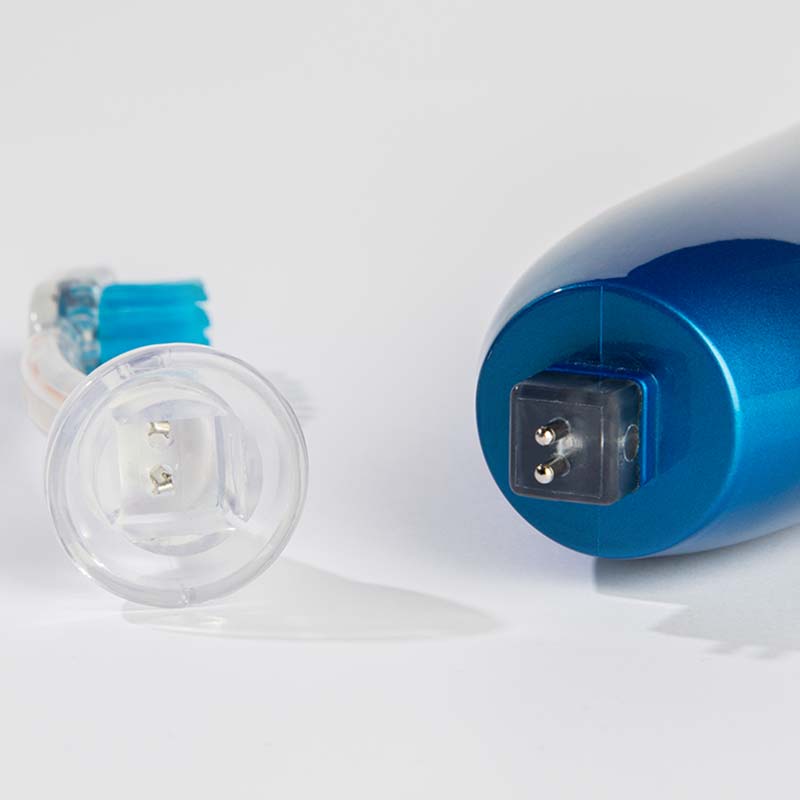
Careful oral hygiene can help keep bacterial plaque in the area of small mucosal injuries as low as possible. Our emmi-DENT Slim ultrasonic toothbrush can support daily oral hygiene by helping to gently reduce bacterial plaque. However, it does not replace a dental examination if the symptoms recur or persist.
What changes in the oral cavity could be behind it
If you keep biting the same spot on your cheek or lip, it's worth taking a closer look at your oral cavity. Often, the problem develops insidiously and remains unnoticed at first. Even slight changes to individual teeth or gums can cause the movements when chewing to change slightly. What normally works automatically and precisely becomes unbalanced. The result is that the cheek gets caught between the teeth more often when the jaw closes.
Tension in the masticatory muscles can also play an important role. Many people unconsciously clench or grind their teeth, especially during stressful periods of life or while sleeping. This causes the masticatory muscles to constantly work under increased tension. This can affect the mobility of the lower jaw and lead to a minimal change in the bite. Often, additional symptoms such as morning jaw pain, a feeling of pressure on the temples, headaches, or clicking in the temporomandibular joint also occur. These signs do not necessarily have to occur together, but they can indicate that the masticatory muscles are being strained more than usual.
Likewise,
- new crowns,
- fillings,
- dentures, or
- orthodontic treatments
can temporarily lead to the mouth having to adapt to a changed bite situation. In many cases, the interplay normalizes again after a short time. However, if the symptoms persist or even occur more frequently, it should be checked whether the bite is optimally adjusted. Even the smallest differences in height on a tooth surface can affect the closing of the tooth rows.
Why repeated bite injuries should not be underestimated
The oral mucosa is one of the most sensitive tissues in the body and has very good blood circulation. Therefore, small injuries usually heal within a few days. However, if the same areas are injured again and again, this natural healing process can be disturbed. The tissue remains permanently irritated and often reacts with slight swelling or thickening. This, in turn, increases the likelihood that exactly this spot will get caught between the teeth again during the next chew.
Many affected individuals thus get caught in a cycle that continues without a recognizable cause. Initially, accidental biting may only be noticed occasionally. Over time, however, the impression arises that the cheek is constantly in the way. In addition, open mucosal areas can react more sensitively to sharp, acidic, or very hot foods. Brushing teeth or chewing solid foods can also be temporarily uncomfortable.
Good oral hygiene helps to keep bacterial plaque in the area of small mucosal injuries as low as possible. This supports the natural conditions for the regeneration of the oral mucosa. Our emmi-DENT Slim ultrasonic toothbrush can help you gently reduce bacterial plaque and supplement your daily oral care. However, if bite injuries recur over a longer period or a mucosal change does not heal within about two weeks, it should be examined by a dentist. This can clarify whether there is a harmless cause or whether the bite or the oral mucosa should be assessed more closely.
What you can do yourself if you keep biting your cheek
If you notice that you are biting your cheek or lip more often than before, it helps to consciously observe the situation first. Does the problem only occur when eating or also when speaking? Is it always the same spot that is affected, or do the bite injuries vary? Are there certain foods that cause it more often, such as when chewing hard bread crusts or tough foods? Such observations can provide valuable clues as to whether it is a temporary problem or a permanent change.
It is also worth looking at possible accompanying symptoms. Tension in the jaw, morning pain in the masticatory muscles, frequent headaches, or a clicking in the temporomandibular joint can indicate that the load on the jaw muscles has changed. Also, if a filling, crown, or prosthesis has recently been inserted, this can temporarily affect the bite. In such cases, it is advisable to discuss this with the treating dentist. Often, a small correction is enough for the teeth to close harmoniously again.
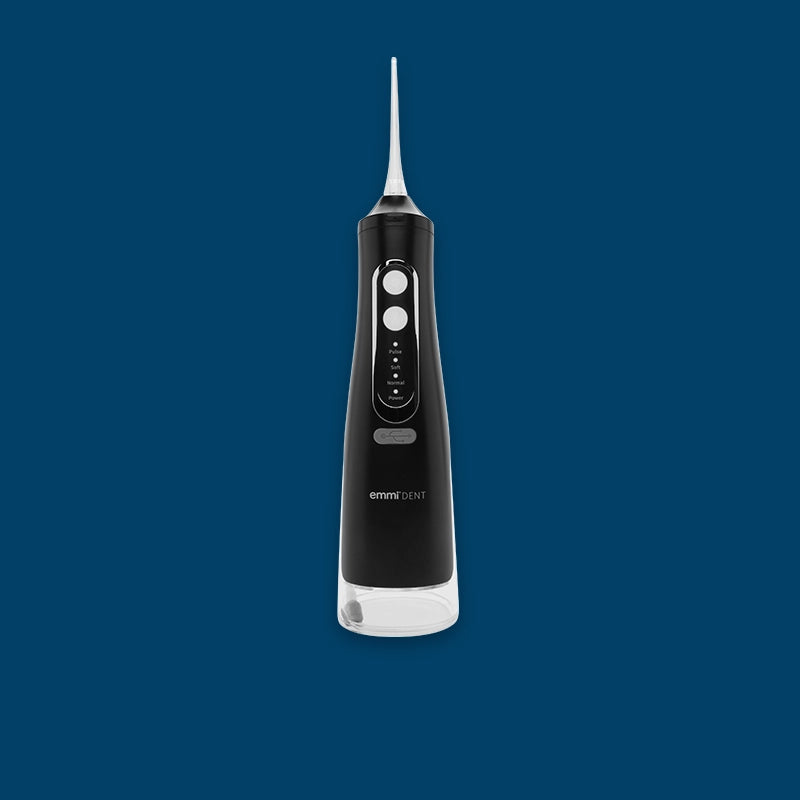
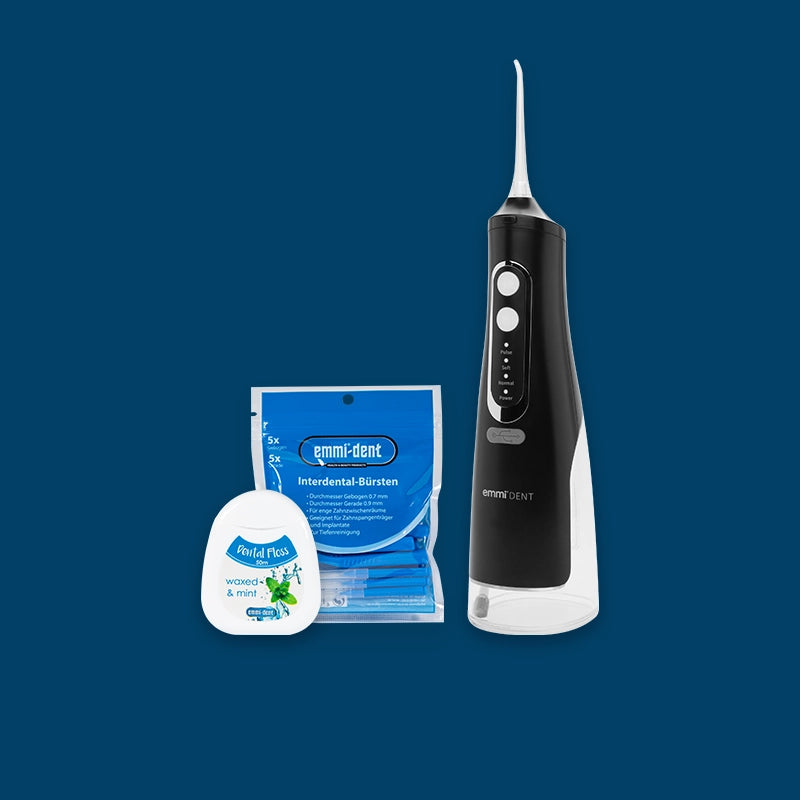
Thorough oral hygiene supports the health of the oral mucosa and helps to keep bacterial plaque as low as possible. Especially if there are small mucosal injuries, gentle cleaning can be pleasant. Our emmi-DENT sonic toothbrushes can also supplement your daily oral hygiene and help reduce bacterial plaque. However, it is important not to put additional mechanical stress on irritated areas and to give them time to regenerate.
Note: If the symptoms persist for several weeks, the bite injuries occur more and more frequently, or swelling, persistent pain, or changes in the oral mucosa occur, a dental examination should be carried out. This can determine whether a change in the bite, a dysfunction of the temporomandibular joint, or another cause is behind the recurring injuries.
When small changes suddenly become noticeable
Constantly biting your cheek or lip initially seems like a harmless coincidence. However, if these small injuries recur regularly, it is worth taking a closer look. Often, it is only minimal changes in the interplay of teeth, masticatory muscles, and oral mucosa that cause the usual chewing movements to no longer run as precisely as before.
Careful observation, thorough oral hygiene, and regular check-ups with the dentist help to identify possible causes early. In many cases, the triggers can be well classified and, if necessary, treated. This can not only relieve the oral mucosa but also restore the pleasant and safe feeling when chewing. A healthy oral cavity thrives on the harmonious interplay of all structures, and precisely this balance deserves special attention in everyday life.