










For many, February is a month of mindful indulgence. It's still cold outside, the days are short, and small moments of well-being become more important. For many, chocolate is an essential part of this time. Whether as comfort food during the day, as an evening reward, or as a loving gesture around Valentine's Day, few foods are as emotionally evoked as cocoa and chocolate.
At the same time, many people feel guilty. Chocolate is considered a sugar trap and a risk to dental health. But as is so often the case, the truth lies not in strict abstinence, but in understanding the processes that follow indulgence. Not all chocolate affects your teeth the same way, and not every indulgence has to automatically become a problem. Cocoa content, sugar content, consistency, and timing all play a crucial role.
In this article, we explain how chocolate actually affects your dental health , why dark chocolate varieties often perform better than their reputation suggests, and how you can consciously enjoy chocolate even in winter without unnecessarily stressing your teeth.
Why we reach for chocolate more often in winter
During the winter months, the body is particularly sensitive to external and internal stressors. Less daylight, cold temperatures, and an overall quieter phase of life affect hormone balance and energy levels. In this context, chocolate provides readily available energy and activates the body's reward system. Cocoa also contains ingredients that can improve mood and are associated with relaxation, comfort, and a sense of security for many people.
Especially in February, another emotional aspect comes into play. Valentine's Day reinforces the symbolic character of chocolate as an expression of
- Vicinity,
- Affection and
- Enjoyment.
It is not consumed hastily, but consciously enjoyed. As a small token of appreciation, as an evening ritual, or as a special moment in everyday life.
However, this lifestyle has clear implications for dental health. Teeth come into contact with sugar and sticky textures more frequently and for longer periods , often at times when the mouth is particularly sensitive. Especially in the evening, when saliva production is already reduced, conditions arise in which bacteria can multiply more easily and acids can remain on the tooth surfaces for longer.
Not all sugar is created equal – why the cocoa content is crucial
Chocolate is often categorically considered unhealthy for teeth. However, a closer look is worthwhile, as not all chocolate has the same effect on dental health . A crucial factor is the cocoa content, as it influences both the sugar content and the consistency, and therefore the effect in the mouth.
The higher the cocoa content, the lower the added sugar usually is. Dark chocolate also contains bitter substances and phytochemicals that adhere less strongly to teeth than heavily sweetened varieties. It is typically eaten more slowly, melts more smoothly in the mouth, and therefore results in shorter and less intense contact with sugar on the teeth.
The situation is quite different with milk chocolate, filled pralines, or white chocolate. These varieties contain significantly more sugar and little to no cocoa. White chocolate, in particular, consists almost entirely of sugar and fat. Its sticky consistency means that residue easily adheres to tooth surfaces and between teeth. These areas provide ideal conditions for bacteria to produce acids that attack tooth enamel.
For your dental health, this means: It's not the consumption of chocolate itself that's problematic , but rather the combination of high sugar content, sticky texture, and frequent snacking throughout the day. Those who make conscious choices and opt for dark chocolate with a high cocoa content can significantly reduce the strain on their teeth and gums.
Why chocolate becomes a particular challenge in the evening
Many people prefer to enjoy chocolate in the evening. As a conscious end to the day, as a small reward after a long workday, or during quiet moments on the sofa. However, it is precisely at this time that the mouth is particularly sensitive and more susceptible to external influences.
In the evening and at night, the body gradually reduces its protective mechanisms. Saliva production decreases, and the natural self-cleaning process in the mouth slows down. However, saliva plays a crucial role in dental health, as it dilutes sugar residues, neutralizes acids, and protects tooth enamel. Without this protection, sugars and acids adhere to the tooth surfaces for longer.
Especially after eating chocolate, an unfavorable environment is created. Bacteria can multiply more easily, acids have a more intense effect on tooth enamel, and sensitive areas are subjected to greater stress. If brushing is either neglected or done too hastily during this phase, the risk of tooth sensitivity, irritated gums, or long-term damage to the tooth enamel increases.
Another factor comes into play. After consuming sweet or acidic foods, tooth enamel is temporarily softer and more sensitive. Brushing with strong pressure or an aggressive technique at this time can cause additional mechanical stress. This is precisely why it's especially important in the evening to use a gentle, calm brushing technique that cleans thoroughly without further stressing the teeth.
Guilt-free enjoyment – what really matters
Dental health doesn't mean giving up enjoyment. Especially in winter and February, when chocolate is a staple for many people, mindful consumption is more important than strict rules. It's less about what you eat and more about how and when.
Instead of snacking throughout the day, it's much gentler on your teeth to plan chocolate as a deliberate moment of indulgence. Eating it mindfully and slowly reduces the time that sugars and acids are in contact with the tooth surfaces. This reduces the strain on the enamel and supports the natural protective function of the mouth.
A simple ritual afterward is also helpful. Drinking a glass of water after eating chocolate dilutes residual sugar, stimulates saliva production, and helps normalize the pH level in the mouth more quickly. Waiting before brushing your teeth also plays an important role. This gives the tooth enamel the time it needs to stabilize after consuming sweet or acidic foods.
The type of dental care is also crucial. Gentle, thorough cleaning protects teeth more effectively than vigorous scrubbing. Especially after indulging in chocolate, it's beneficial to use a cleaning method that effectively cleans without causing additional mechanical stress. This way, chocolate remains what it should be: a moment of well-being and not a trigger for guilt.
Gentle dental care after sweet moments
After eating chocolate, tooth enamel is temporarily more sensitive. Sugar and acids alter the environment in the mouth, while the natural protective mechanism of saliva needs time to regenerate. During this phase, traditional dental care with strong pressure or intensive brushing motions puts additional strain on many teeth.
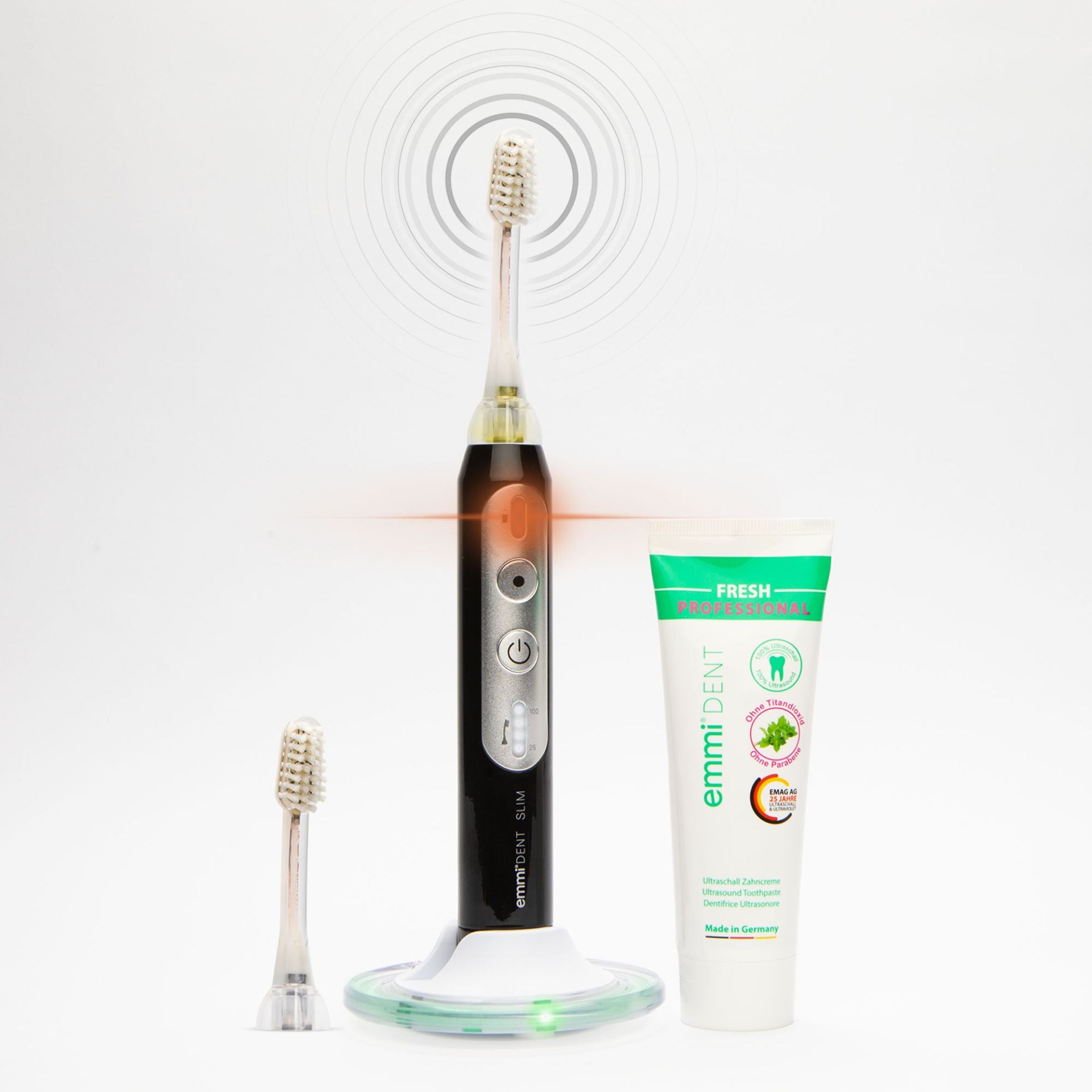
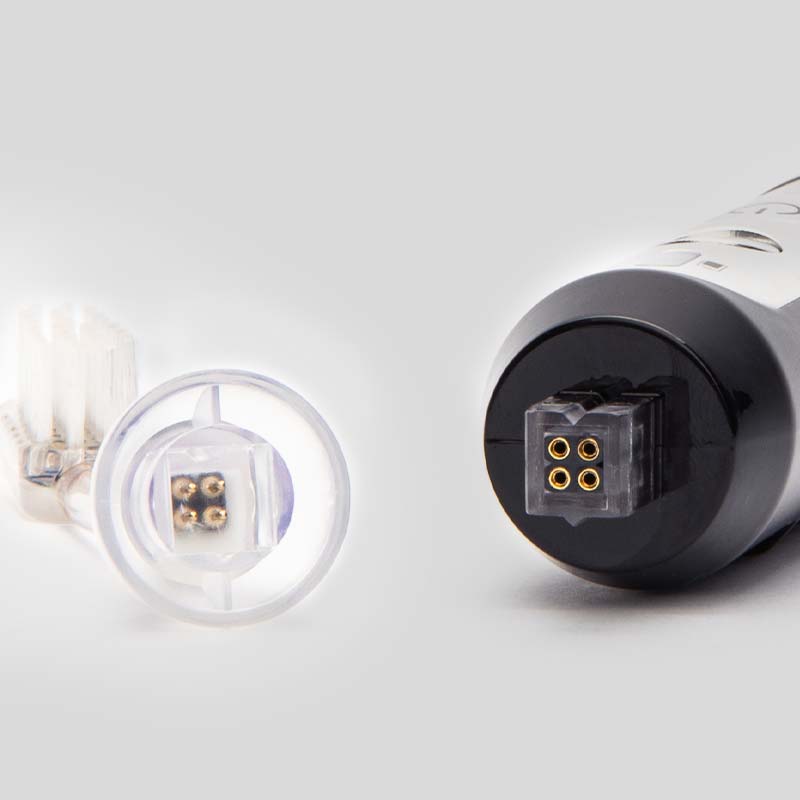
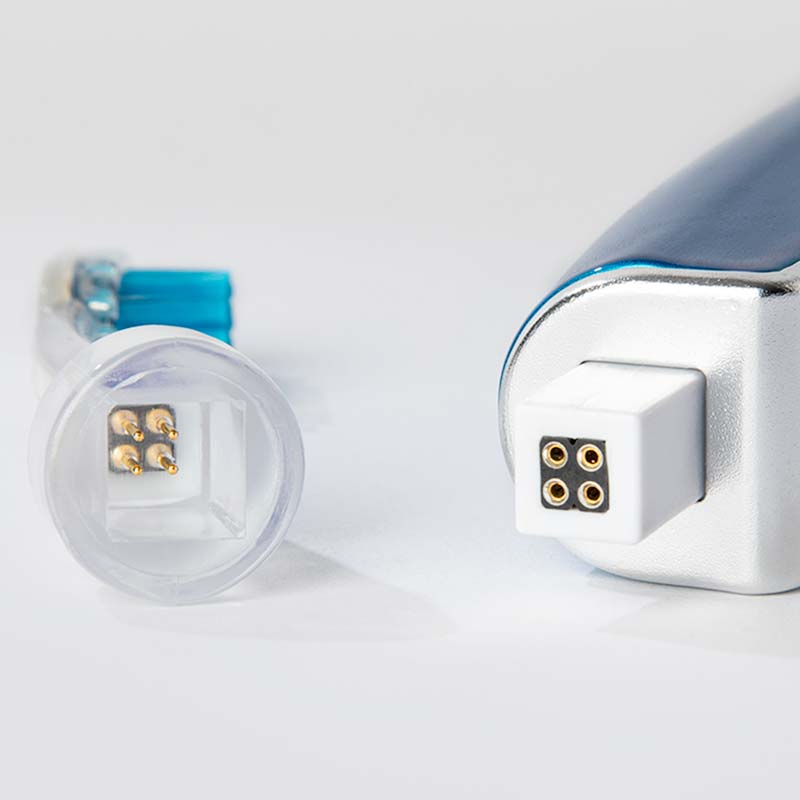
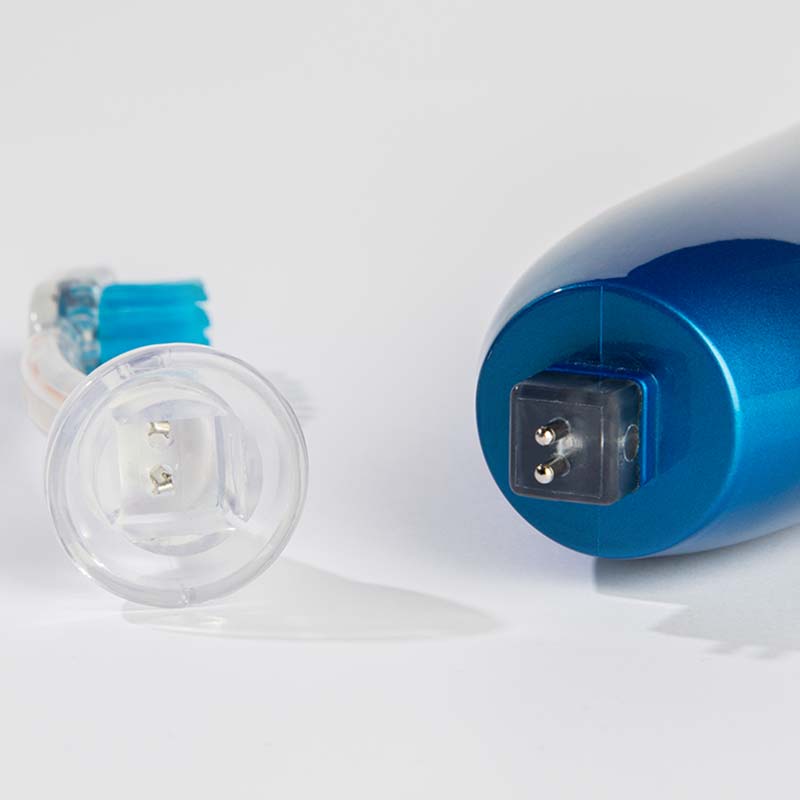
Gentle, low-pressure dental care can make a significant difference. Ultrasonic dental care works without mechanical friction and cleans the oral cavity particularly gently. The fine ultrasonic pulses are effective even in hard-to-reach areas, without unnecessarily stressing tooth enamel or gums. This form of care offers a calm and effective alternative, especially after consuming sweet or sticky foods.
Many find this type of dental care much more pleasant, especially in the evening. The jaw remains relaxed, sensitive areas are protected, and cleaning feels less like a chore and more like part of evening relaxation. This makes it easy to integrate dental care into daily life, even after moments of enjoyment, without stress .