







Almost everyone knows the feeling: You wake up in the morning, your mouth feels dry, sticky, or uncomfortable, and your first move is straight to the water glass. Occasionally, this is completely normal. This feeling can occur especially on warm summer nights, in dry indoor air, or after a night with an open mouth.
However, it becomes problematic if dry mouth occurs regularly or persists for a longer period. Many people underestimate the important protective function of saliva. It performs numerous tasks every day that are essential for healthy teeth, healthy gums, and stable oral flora.
A dry mouth therefore does not only mean an unpleasant feeling when waking up. It can also indicate that natural protective mechanisms in the mouth are temporarily or permanently impaired. It is all the more important to understand possible causes and to counteract them early.
In this article, we explain why your mouth can feel dry after waking up, what role saliva plays in your oral health, and what can be behind persistent dry mouth.
Why does your mouth feel dry in the morning?
While we sleep, the work of many bodily functions changes. Saliva production is also naturally reduced at night. This is completely normal at first and no cause for concern. The mouth produces significantly less saliva during sleep than during the day because eating, drinking, and speaking, as natural stimuli, are absent.
However, certain factors can additionally intensify this natural reduction. Breathing often plays an important role. Those who predominantly breathe through their mouth rather than their nose at night lose significantly more moisture in the oral cavity. The mucous membranes dry out, and the typical dry feeling in the morning arises.
The environment can also have an influence. Warm summer nights, air conditioning, fans, or dry heating air in the winter months can contribute to the mucous membranes drying out more. In addition, the body loses fluid at night through breathing and sweating.
A dry mouth in the morning is often caused by a combination of reduced saliva production and increased moisture loss during the night. Occasional dry mouth is usually harmless. However, if it occurs regularly, it is worth taking a closer look. Because saliva is much more than just moisture. It is one of the most important natural protective mechanisms of our oral health.
What role do mouth breathing and snoring play?
If your mouth regularly feels dry in the morning, nightly mouth breathing is often the cause. Normally, breathing primarily occurs through the nose. The nasal mucous membranes moisten, warm, and filter the inhaled air. If, instead, breathing occurs through the mouth for an extended period, dry air directly reaches the mucous membranes in the oral cavity. This can lead to significantly more moisture loss.
This particularly often occurs in people who snore or suffer from a stuffy nose. Seasonal allergies, colds, or anatomical peculiarities can also lead to impaired nasal breathing. The body then automatically switches to mouth breathing without this being consciously perceived during sleep.
Many affected individuals notice further signs in the morning in addition to dry mouth. These include a sticky feeling on the tongue, dry lips, a rough feeling in the throat, or an unpleasant taste in the mouth. It is not uncommon for bad breath to be perceived more strongly in the morning.
Mouth breathing during sleep is one of the most common causes of dry mouth after waking up. Therefore, those who regularly wake up with a dry mouth should not only consider dental care but also possible causes for impaired nasal breathing. In many cases, this can significantly better classify the symptoms.
How does saliva affect your oral health?
Saliva is often underestimated, although it plays a central role in the health of teeth and oral mucosa. It is not simply made of water but contains numerous components that protect the oral cavity and maintain its natural balance.
One of its most important tasks is the neutralization of acids. After eating, bacteria produce metabolic products in the mouth that can damage tooth enamel. Saliva helps to buffer these acids and stabilize the natural oral environment. At the same time, it supports the remineralization of tooth surfaces by providing important minerals.
Furthermore, saliva rinses food debris and bacteria from the tooth surfaces and mucous membranes. If too little saliva is produced, plaque can accumulate more easily. This can increase the risk of cavities, gum problems, and unpleasant bad breath.
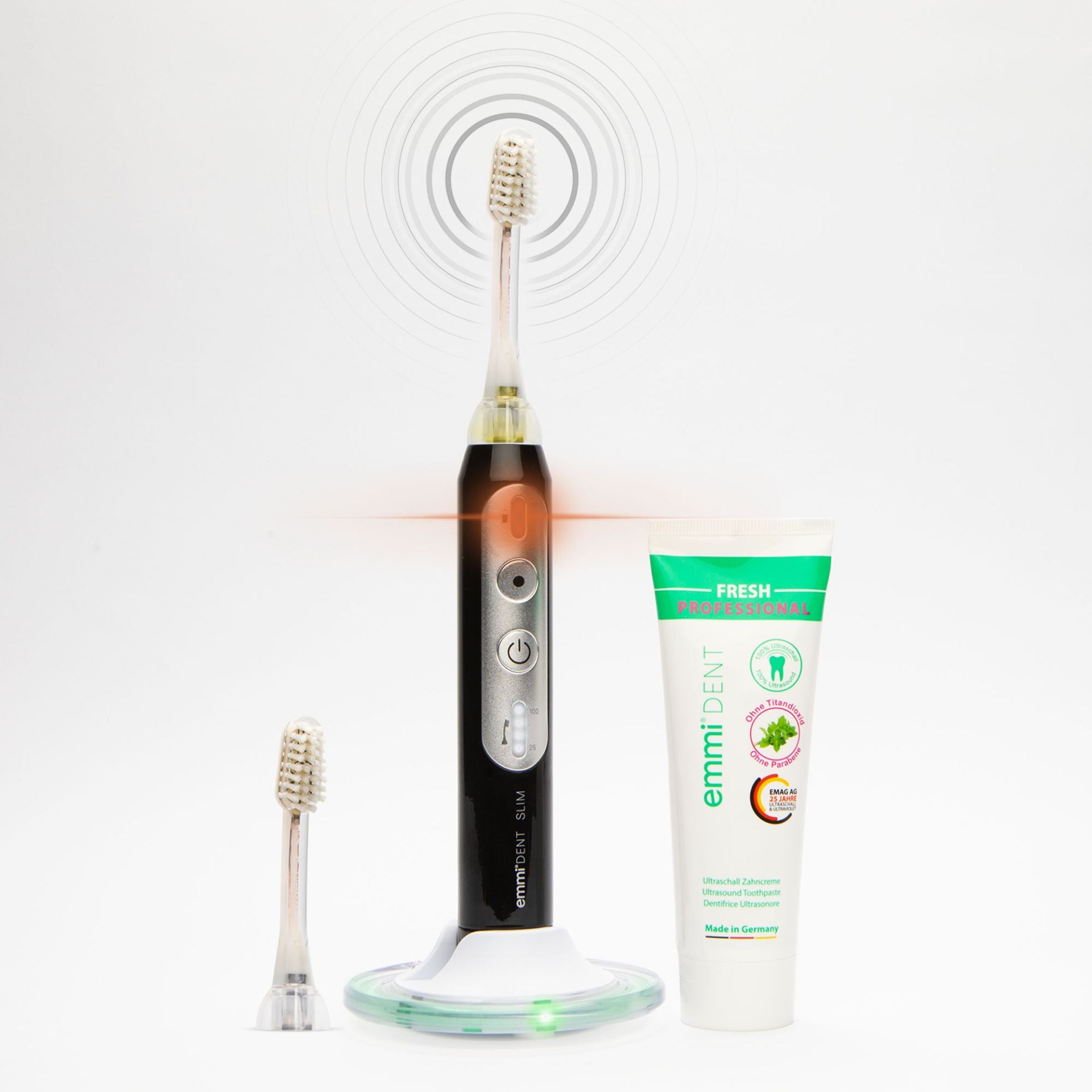
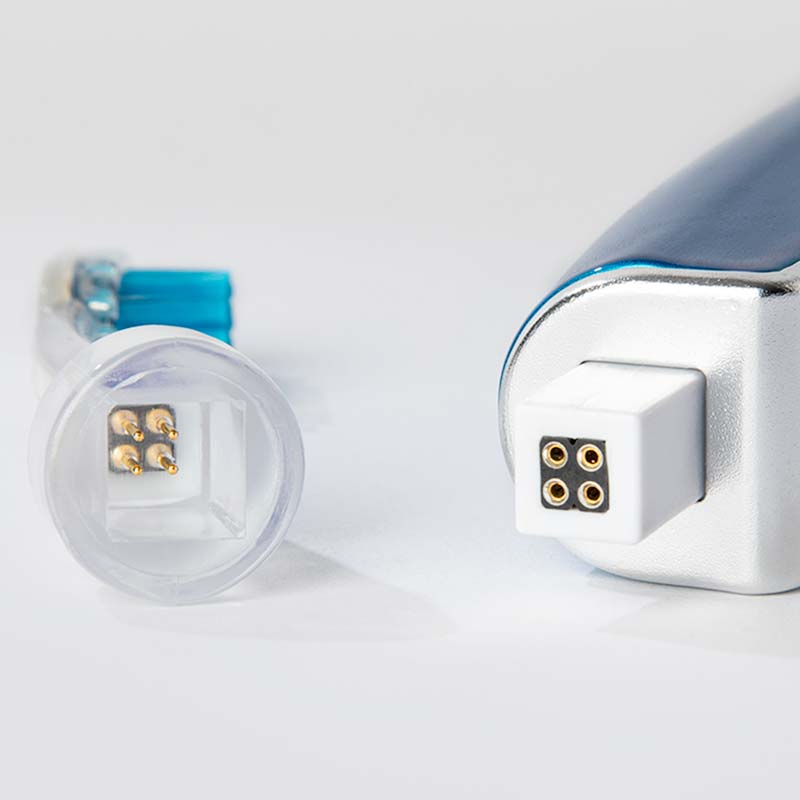
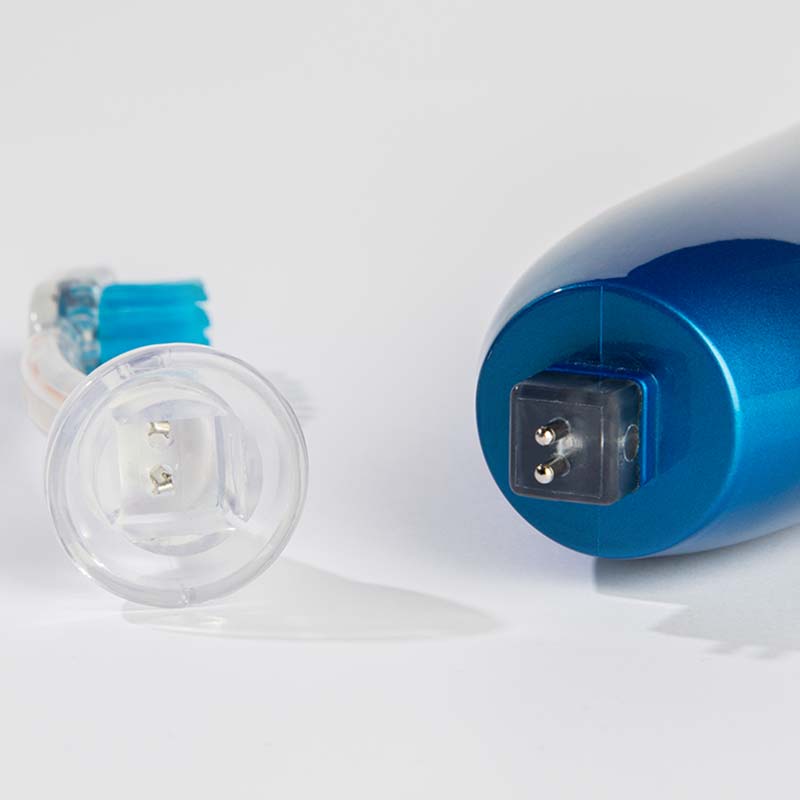
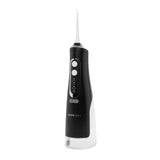
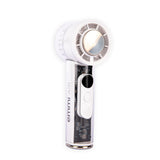
Precisely for this reason, gentle oral care plays an important role in dry mouth. Many people prefer gentle cleaning methods in such situations to avoid further irritating sensitive mucous membranes. Our emmi-dent Slim ultrasonic toothbrush is used by many users as a supportive tool, as it works without classic mechanical brushing movements and can help reduce bacterial plaque. In contrast to our emmi-dent Sonic Flex sonic toothbrush, cleaning is based on ultrasonic technology and not primarily on fast brush movements. Nevertheless: No toothbrush can replace the important protective function of saliva.
Saliva is one of the most important natural protective systems in the mouth. If its quantity permanently decreases, changes in oral health can become noticeable more quickly.
What can you do about dry mouth?
If your mouth regularly feels dry in the morning, it's worth first taking a closer look at the possible daily triggers. Often, it's several small factors working together. Even simple changes can help relieve the oral mucous membranes and support the natural protective function of saliva.
Adequate fluid intake comes first. Especially in summer, the body loses more water through sweating and breathing. If this loss is not compensated for, it can also affect saliva production. Many people drink enough during the day but consume significantly less fluid in the evening. As a result, dry mouth is often particularly noticeable in the morning.
The indoor climate also plays a role. Dry air can further strain the mucous membranes. Those who use a fan or air conditioning at night often notice increased drying of the mouth. Sometimes, better humidity in the bedroom alone can help reduce the discomfort.
In addition, certain stimulants can worsen dry mouth. Alcohol, nicotine, and large amounts of caffeinated beverages can further dry out the mouth. Especially in the evening, this can be noticeable the next morning.
For daily oral care, it is advisable to use the gentlest methods possible. Dry mucous membranes often react more sensitively to strong mechanical stress. Our emmi-dent Slim ultrasonic toothbrush is therefore used by many people as a supportive tool when they want to clean their teeth thoroughly and at the same time treat sensitive areas as gently as possible. Compared to classic sonic toothbrushes, cleaning is not primarily performed by fast brushing movements, but by ultrasonic technology. Regardless of the toothbrush used, regular dental care and good oral hygiene remain important building blocks for a healthy oral flora.
When should you have the cause checked by a dentist or doctor?
Occasional dry mouth after a warm summer night or after sleeping with your mouth open is usually unproblematic. However, if the symptoms occur regularly or worsen over time, the cause should be investigated more closely.
Various factors can be behind persistent dry mouth. In addition to mouth breathing and fluid deficiency, certain medications, for example, can be considered. Hormonal changes, metabolic diseases, or diseases of the salivary glands can also affect saliva production.
At the latest, when additional symptoms such as frequent inflammation in the oral cavity, difficulty swallowing, pronounced bad breath, burning mucous membranes, or increased tooth decay occur, a professional clarification is advisable. The sooner possible causes are identified, the better follow-up damage can be avoided.
A dry mouth in the morning is often harmless and can often be explained by changes in daily life. At the same time, this signal should not be ignored permanently. Saliva protects teeth, gums, and mucous membranes in many ways every day. Anyone who pays attention to sufficient fluid intake, identifies possible triggers, and consistently maintains their oral hygiene can do a lot to support the natural protective mechanisms. If the symptoms persist for a longer period, a dental or medical examination will provide clarity and help find the actual cause.