






For many, white teeth not only represent aesthetics but also that feeling of freshness and being well-groomed. And yet, many struggle with this because they are caught between two extremes. Either bleaching, which often causes anxiety, or home remedies that pop up everywhere online and sound too good to be true. And in between, you're sitting there, just wanting a brighter smile, without stress and unnecessary risk.
In this article, we explain how discoloration occurs, what truly makes a difference for white teeth, what common mistakes many unconsciously make, and how to establish a gentle routine that feels good in everyday life. We also show you how to maintain your results without constantly trying new methods. It's important for us to remain realistic. A good routine can reduce discoloration and improve oral sensation, but it doesn't visibly change the natural base color of everyone's teeth. This perspective, precisely, reduces pressure and makes the journey stress-free.
Why teeth appear darker even though you brush regularly
Many immediately associate discoloration with poor dental hygiene. However, in most cases, this isn't true at all. Teeth appear darker or yellower because pigments accumulate and because the natural tooth material shines through. Coffee, tea, red wine, cola, as well as certain spices and lifestyle habits, leave behind pigments. At the same time, tooth color naturally changes for many people over the years. White teeth are not just a matter of brushing, but also of plaque, habits, and what happens in the mouth daily. This is normal and no reason to stress.
Another point is plaque. Not because you don't brush, but because plaque tends to accumulate where it's not perfectly removed in daily life. At the gum line, in interdental spaces, on the molars. On these deposits, pigments particularly easily adhere. This means it's often not about "making them whiter," but first about giving discoloration fewer chances.
And another realistic perspective that can save a lot of frustration. Some discolorations are not just on the surface but deeper within the tooth. Furthermore, the base color is individual. Even with perfect care, not every tooth will become "porcelain white."
What to do for white teeth: the gentle strategy that really works
If you want white teeth, the most effective foundation isn't an aggressive trick, but a calm routine. Firstly, because you'll actually stick with it. Secondly, because you'll achieve more long-term with it than with short-term actions. White teeth result more from consistency than from aggressive care. And this knowledge, precisely, can relieve the pressure.
The most important step is to consistently reduce plaque without irritating tooth enamel and gums. Especially when people quickly desire white teeth, many resort to abrasive home remedies like baking soda or lemon juice. This can temporarily alter the surface, but it can also harm tooth enamel and mucous membranes. The teeth might feel smoother for a short time, but that's not the same as being healthily brighter.
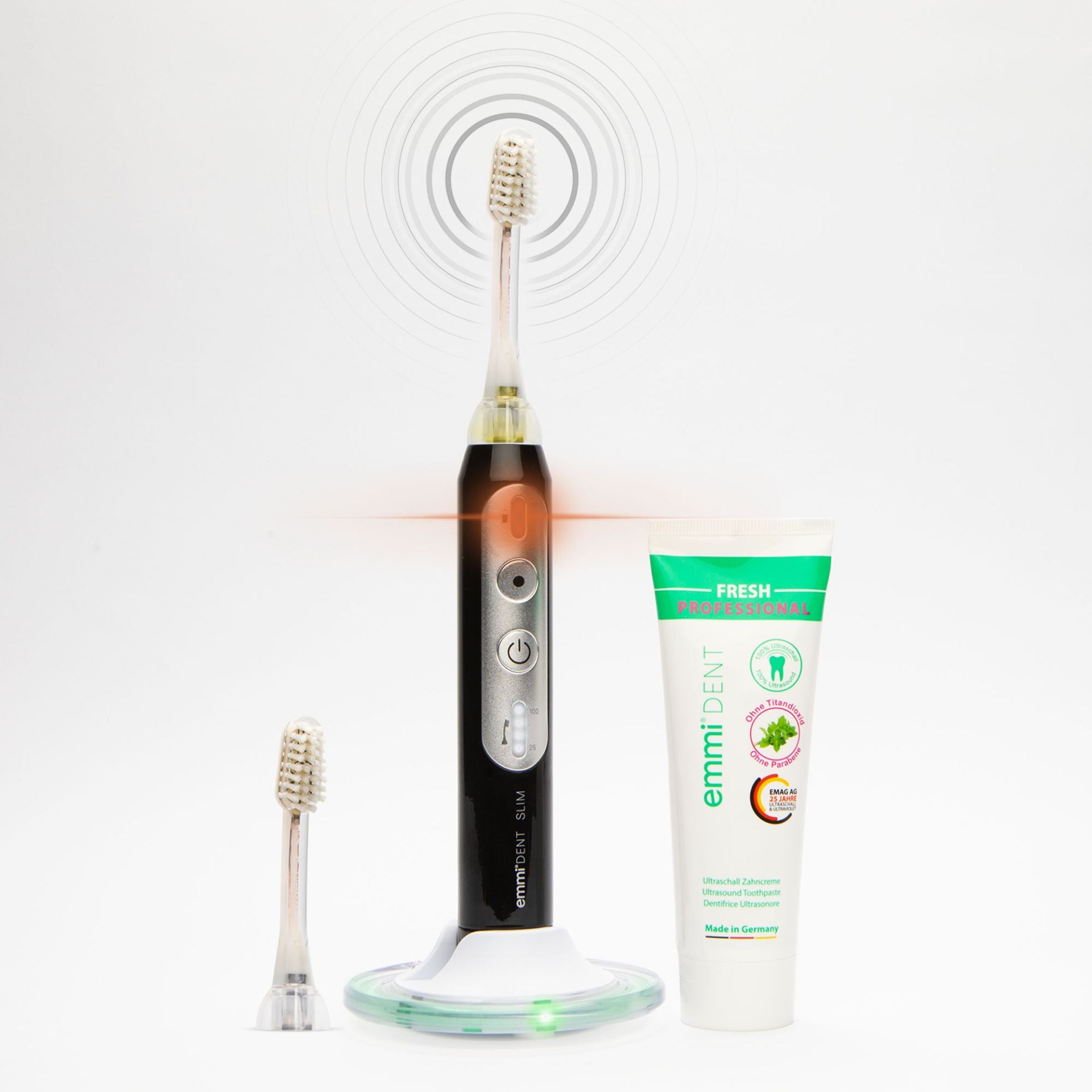
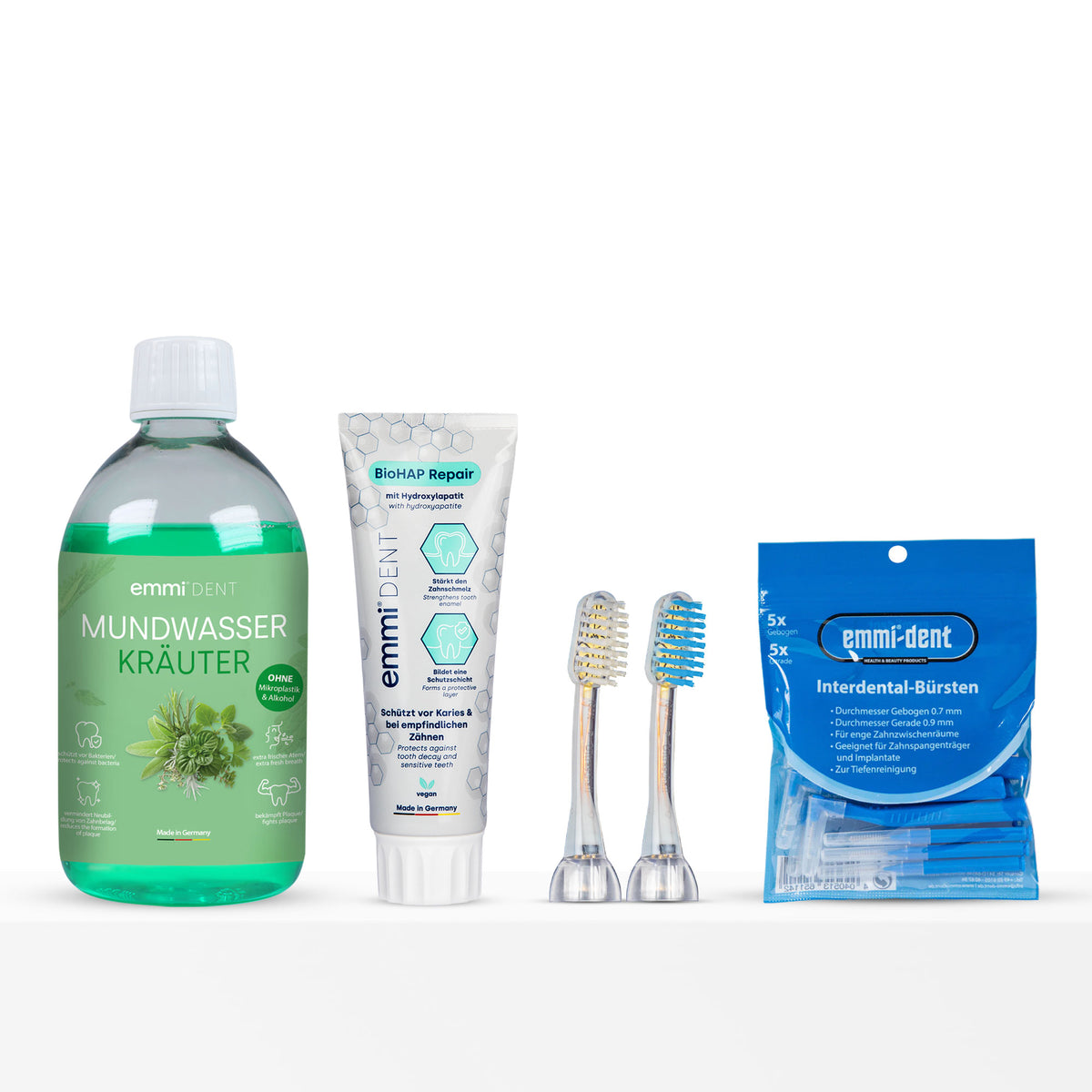
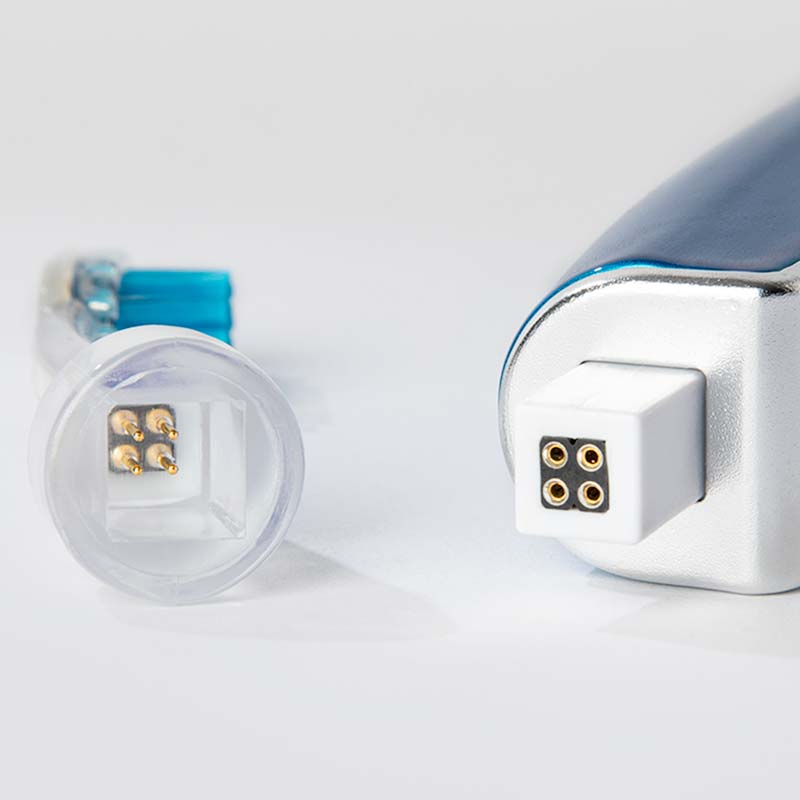
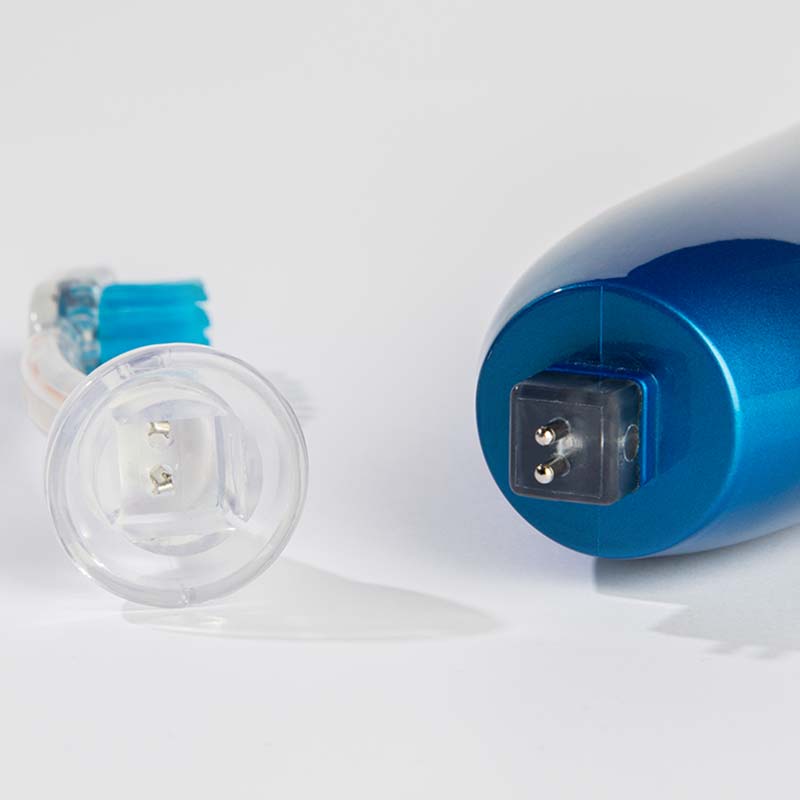
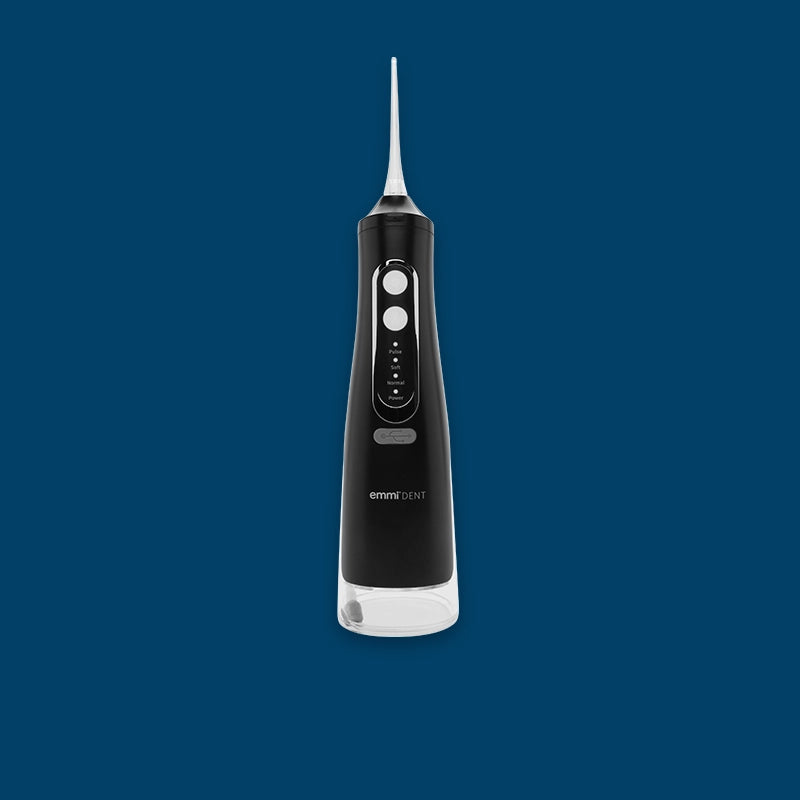
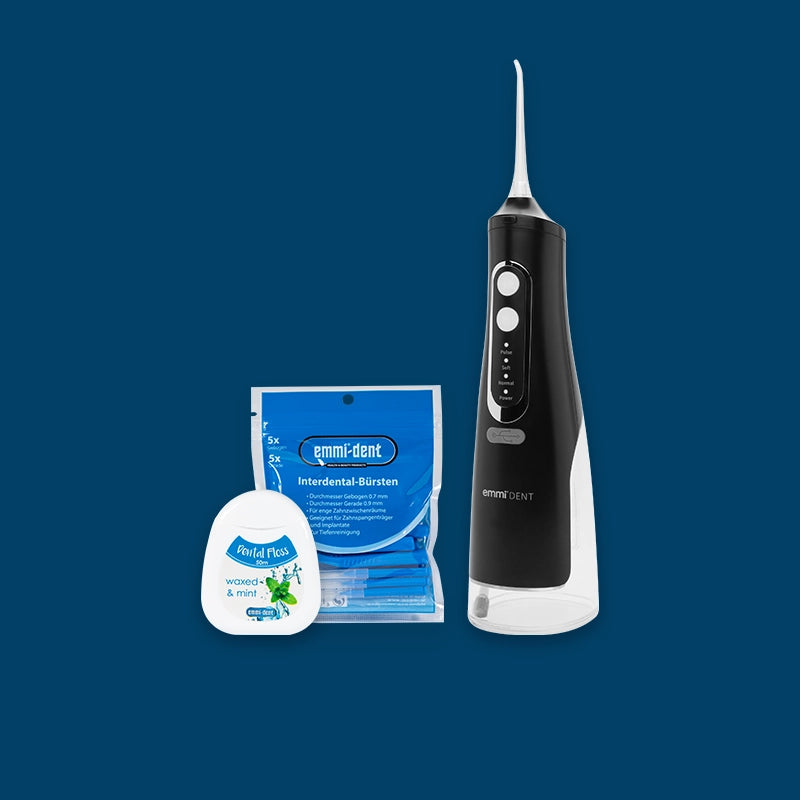
If you want gentle, everyday-friendly care, an ultrasound routine can be beneficial. With our emmi-dent Slim, you can clean particularly gently because you don't have to scrub mechanically. This is especially helpful if you have sensitive gums or if you automatically apply too much pressure when brushing. In combination with one of our emmi-dent sets, you have a clear routine that you can easily implement without constantly changing. This is not bleaching and not a promise of a specific shade, but it is a calm foundation to give discoloration less room.
White teeth despite coffee and tea: how it works without abstinence
Coffee and tea are non-negotiable for many. And that's perfectly okay. You don't have to give up everything just because you want brighter teeth. What matters less is the drink itself, but how often and for how long your mouth is in contact with it. This is precisely where you can start without stress.
A very simple lever is water in between. A few sips of water after coffee or tea rinse away pigments faster and support saliva. Not because water whitens, but because it gives deposits fewer chances.
Timing also helps. Many drink coffee or tea in small sips for hours. This is cozy, but for the teeth, it's continuous contact. If you manage to drink beverages in clearer phases rather than constantly sipping, you give your mouth breaks. Breaks are often the underestimated key.
Another point is interdental care. Pigments don't just settle on visible surfaces but also where you don't directly see them. Between the teeth and at the gum line. Many discolorations sit precisely where the normal brush doesn't reach perfectly. If you clean these areas regularly, it often looks fresher and feels cleaner overall.
White teeth home remedies: why "fast" is often the wrong way
If you search for white teeth home remedies, you'll almost immediately come across baking soda, lemon juice, turmeric, or coconut oil. This sounds like a shortcut. And sometimes, it briefly appears as if teeth are getting whiter. However, many of these methods work through abrasion or acid. Abrasion can mechanically stress the surface. Acid can temporarily make tooth enamel more sensitive. Both can lead to teeth reacting more quickly afterward. The point is: tooth enamel does not grow back. And anything that unnecessarily stresses it is rarely a long-term win for a beautiful smile.
This doesn't mean that every home remedy idea is automatically harmful. But it does mean that you should ask yourself a question about anything that promises "fast" results. Does it just feel like an effect, or is it truly tooth-friendly? A stress-free path is usually one that doesn't involve pressure.
When bleaching can be useful and when you should be cautious
Bleaching can be useful if you have severe, deep-seated discoloration and a visibly noticeable effect is important to you. It is important that your dentist first checks that your teeth and gums are healthy. This is because bleaching is not a solution for plaque, inflammation, or leaks, but a cosmetic measure.
Caution is especially advisable if you already have sensitive tooth necks, if your gums are easily irritated, or if you are not sure whether all teeth and fillings are stable. Even self-bleaching products without consultation can lead to sensitivity if used incorrectly. If you are considering bleaching, the safest basis is a dental assessment.
Another realistic point also belongs here. Fillings, crowns, or veneers do not change color like natural teeth. This can lead to visual differences, even if you undergo bleaching. Here, too, advice helps so that expectations and results match.
Gentle routine for white teeth without stress
Ultimately, white teeth are rarely about one trick. It's about a feeling that you affirm every day. Clean, fresh, well-groomed, without having to torture yourself. White teeth result more from stable care than from harsh methods.
A gentle foundation begins with consistently reducing plaque without stressing tooth enamel and gums. Less pressure, less scrubbing, but more regularly. Especially if you automatically brush too hard, a calm application can be helpful. With our emmi-dent Slim, you can clean in a gentle routine without mechanical scrubbing. In combination with one of our emmi-dent sets, you have a clear, consistent foundation that makes daily adherence easier for you.
If you also love coffee or tea, don't think in terms of prohibitions, but in small protective habits. Water in between, less constant sipping, and good interdental care, because that's exactly where discoloration likes to settle. These are minor things, but they add up. If you have very sensitive teeth, if you experience severe pain with cold or sweets, or if you are unsure whether tooth necks are exposed or fillings might be leaking, please have this checked by a dentist. White teeth are only truly beautiful when they also feel healthy.