









For many women, menopause marks a phase of profound physical changes. Hormonal shifts not only affect metabolism and well-being but also impact numerous bodily processes. Hot flashes, sleep disturbances, and mood swings are frequently mentioned in this context. Less well-known, however, is that dental health can also be noticeably affected during menopause .
Especially in winter, many women notice oral discomfort for the first time or experience it more intensely. Sensitive teeth, dry or irritated gums, a burning sensation in the mouth, or a persistently altered feeling in the mouth can appear suddenly or worsen. These symptoms are often not directly linked to hormonal changes but are instead attributed to coincidence, winter-related symptoms, or signs of aging. However, there are clear physiological connections between hormone levels, mucous membranes, and oral health.
In this article, we explain why menopause affects teeth and gums, especially during the cold season , what hormonal processes are behind it, and how you can specifically support your dental health to alleviate discomfort early and sustainably stabilize your well-being.
Hormones affect more than just the menstrual cycle.
Hormones control far more than just the monthly cycle. Estrogen, in particular, plays a central role in numerous bodily processes. It influences blood circulation, keeps mucous membranes elastic, and supports healthy saliva production. When estrogen levels drop during menopause, these changes have consequences. The oral cavity also reacts noticeably to the hormonal shift.
The gums can become more sensitive, the oral mucosa drier, and the feeling of tightness or burning increases. At the same time, the natural flow of saliva often decreases. Yet saliva is a crucial protective factor for dental health. It neutralizes acids, flushes bacteria from the oral cavity, and protects tooth enamel from external attacks.
Without this protection, the delicate balance in the mouth is more easily disrupted. Irritations and inflammation can develop more readily, the gums become more sensitive, and even familiar oral hygiene routines can suddenly feel unfamiliar or unpleasant. Especially during menopause, it is therefore important to take these changes seriously and adapt oral care to the new needs.
Why winter worsens ailments
Many women experience a worsening of dental problems during menopause, especially in the colder months. This is no coincidence. Winter brings together several factors that put additional strain on the already sensitive oral cavity. Hormonal changes coincide with external influences that can weaken the mouth's natural protective barrier.
Cold outdoor air and dry indoor heating cause mucous membranes to dry out more quickly. At the same time, people often unconsciously drink less in winter. Saliva production decreases, yet saliva plays a crucial role in dental health. It neutralizes acids, protects tooth enamel, and supports the natural defense against bacteria. Without this protective layer, the oral cavity becomes more sensitive to stimuli.
Sleep is also disrupted for many women during this phase. Hormonal restlessness, nighttime awakenings, or difficulty falling asleep prevent sufficient regeneration. This affects the immune system and slows down healing processes in the oral cavity. Minor irritations persist longer, and inflammation develops more quickly.
During menopause, the body is already in a sensitive transition phase. The oral cavity therefore reacts particularly quickly to additional stresses. It needs special care, especially in winter.
- which stabilizes
- protects and
- reassured
instead of causing further irritation through pressure or aggressive stimuli.
Take gum problems during menopause seriously
Hormonal changes during menopause often affect the gums more than many women expect. Falling estrogen levels can cause the tissue to become more sensitive, more prone to inflammation, or bleed more easily. Receding gums are also not uncommon during this phase. Many women describe an unpleasant burning sensation when brushing their teeth or the feeling that the toothbrush is suddenly too hard, even though their brushing routine hasn't changed.
This altered perception is an important signal. The gums now need attention, not neglect. Often, the impulse arises to brush less thoroughly to avoid discomfort. However, aggressive scrubbing, excessive pressure, or highly foaming dental care products can further irritate the sensitive tissue and exacerbate existing inflammation.
Therefore, a tailored oral hygiene routine is crucial. Gentle, consistent cleaning protects the gums without over-stimulating them. Thoroughness and gentleness are not mutually exclusive. On the contrary: especially during menopause, calm, irritation-free oral care becomes a key factor in preventing inflammation, stabilizing the gums, and maintaining long-term dental health.
Why gentle dental care is especially important now
During menopause, not only do hormone levels change, but often also one's perception of their own body. Many women find that they are more sensitive to external stimuli and long for more peace, clarity, and care that feels right. This desire for mindfulness extends not only to skin and sleep, but also, quite naturally, to dental health.
The oral cavity is particularly sensitive during this phase. Dryness, irritated gums, or a burning sensation in the mouth can suddenly make everyday routines unpleasant. Therefore, thorough dental care without applying additional pressure or mechanical irritation is all the more important.
Ultrasonic dental care offers a decisive advantage here. It requires no traditional brushing motions and works with virtually no pressure. Cleaning is achieved through fine ultrasonic pulses that can loosen bacterial plaque even in hard-to-reach areas without damaging gums or tooth enamel. This ensures effective care while feeling significantly gentler.
Many women find this form of dental care particularly beneficial during menopause. It supports a
- clean,
- fresh mouthfeel and
- This helps to protect sensitive structures.
This way, dental care doesn't become a challenge, but a calm, reliable part of daily self-care.
emmi-dent as a reliable companion during a sensitive phase of life
Especially during menopause, the requirements for daily dental care change. The mouth often becomes more sensitive, gums are more easily irritated, and traditional brushing habits suddenly feel unpleasant. During this phase, thorough oral care is needed without causing additional discomfort.
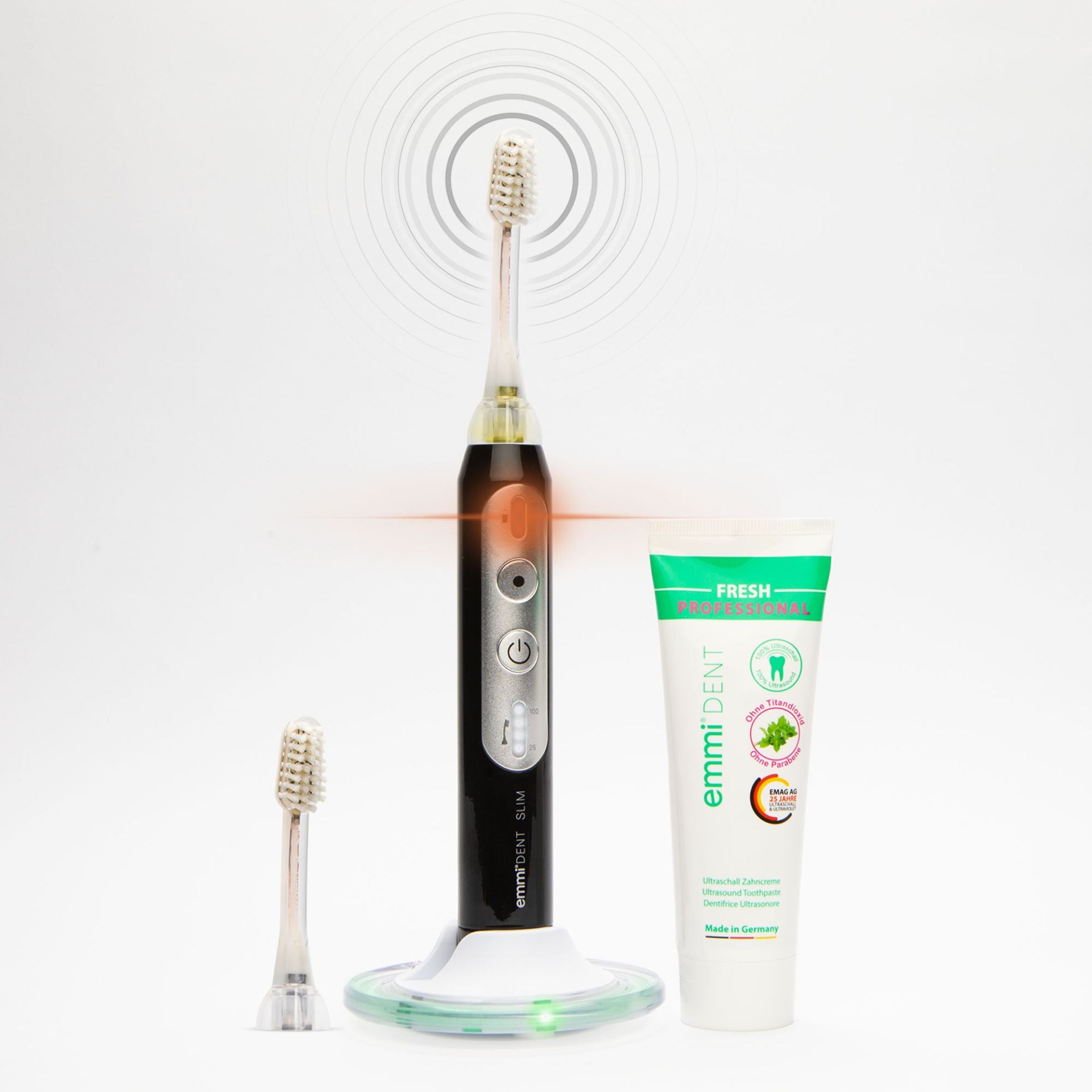
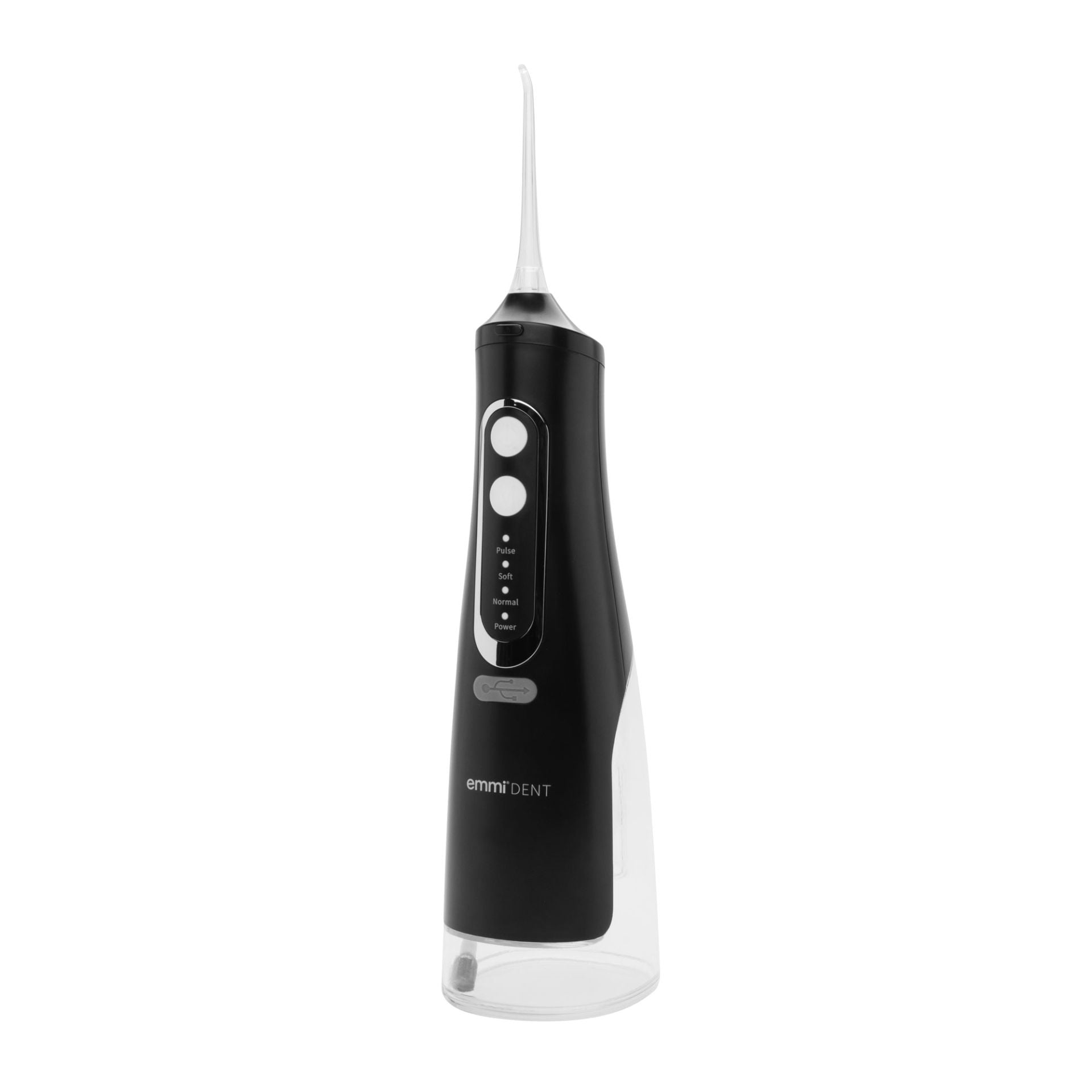
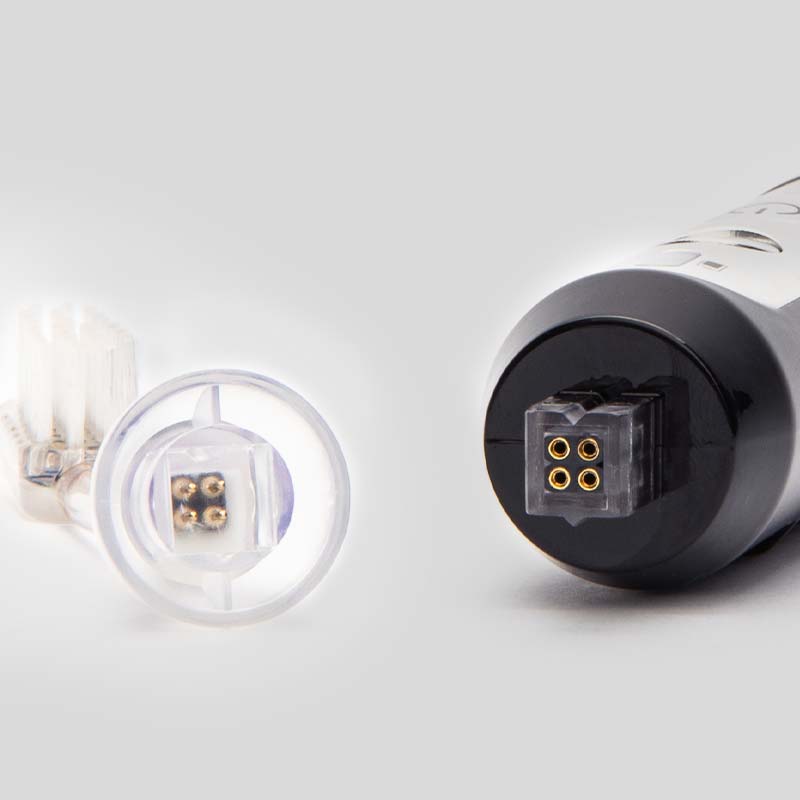
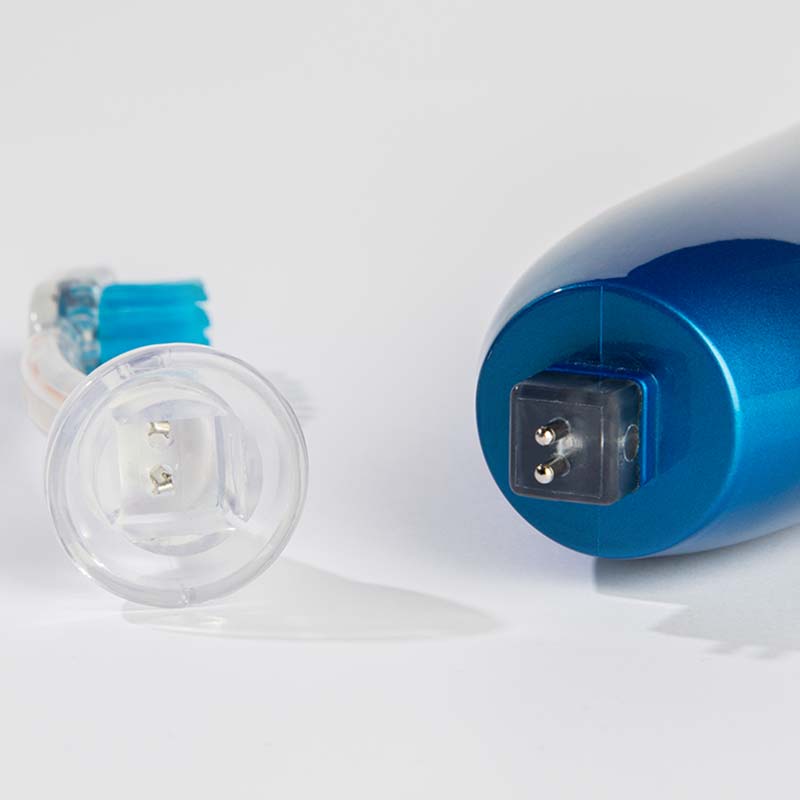
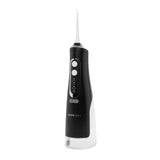
Our emmi-dent Slim was developed precisely for these needs. It cleans teeth using ultrasound and does so completely without scrubbing or rotating movements. This results in minimal mechanical pressure on tooth enamel and gums. This makes it particularly suitable for women whose oral health is more sensitive due to hormonal changes.
Many users report that their gums feel significantly calmer after switching to gentle ultrasonic oral care. Irritations decrease, the feeling in the mouth becomes more balanced, and daily oral hygiene becomes more confident again. Especially during a sensitive phase of life, this relief can make a noticeable difference.
Depending on individual needs, the focus of dental care can be tailored to each person. Some primarily desire a natural, irritation-free cleaning, while others require additional support for discoloration or plaque. The crucial factor is that dental care remains consistent, effective, and gentle. This way, it becomes a reliable part of self-care and supports long-term dental health without placing unnecessary strain on the body.
Mini checklist for dental health during menopause
As you can see, the oral cavity becomes more sensitive to external influences, especially during menopause. With a few conscious adjustments, you can specifically support your dental health and counteract discomfort early on.
These points will help you:
- Pay attention to gentle dental hygiene without applying pressure to avoid further irritating gums and tooth necks.
- Avoid highly abrasive toothpastes , as they can further damage sensitive surfaces.
- Drink water regularly , especially in winter, to prevent dry mouth and mucous membrane irritation.
- React early to bleeding gums, burning or feelings of tightness , instead of dismissing them as temporary.
- Opt for dental care that remains pleasant even in dry conditions and does not dry out the mouth.
- Incorporate fixed rituals into your daily routine so that dental care becomes a reliable constant.
Even small changes can make a big difference at this stage of life. A calm, consistent routine helps to stabilize teeth and gums and sustainably improve one's overall well-being.