
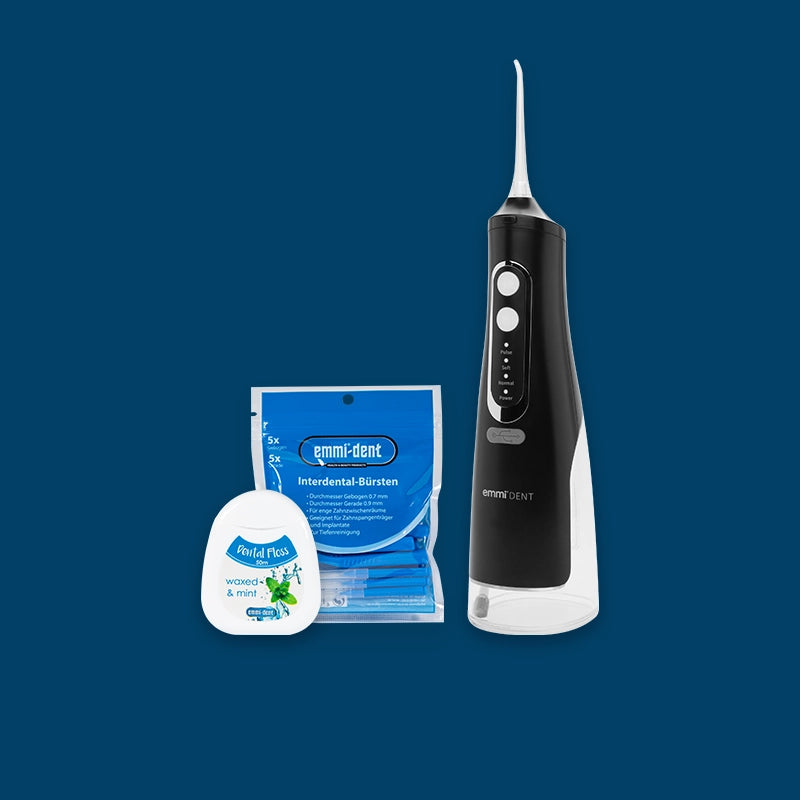
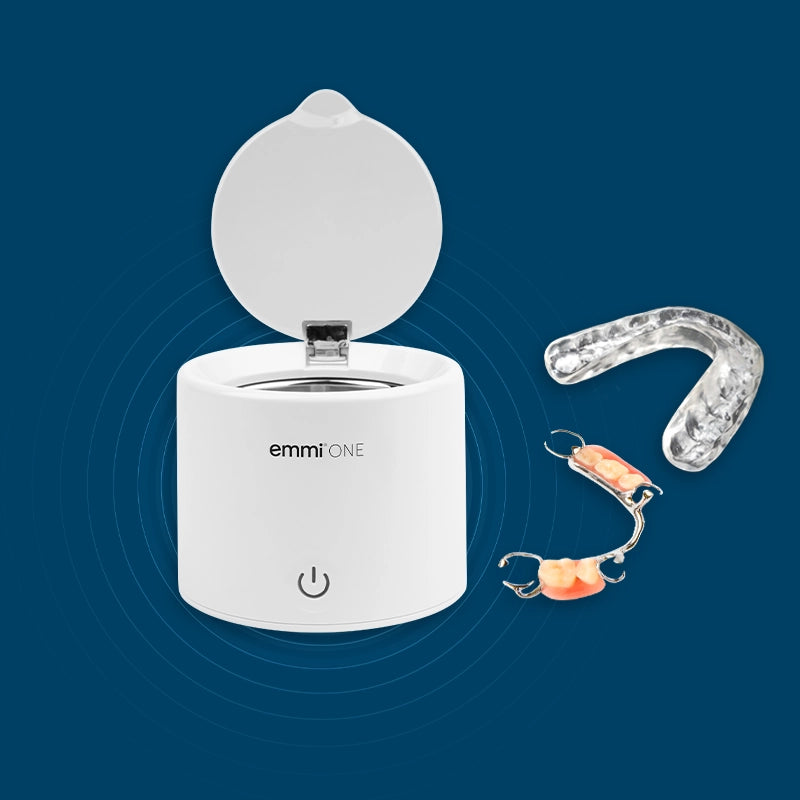









Filtres
4 produits
Frequently Asked Questions
What methods are there for cleaning between teeth?
What methods are there for cleaning between teeth?
Proper cleaning of interdental spaces is crucial for oral health. There are various methods to thoroughly clean these hard-to-reach areas. Each has its advantages, depending on individual needs and preferences.
Among the most common methods are:
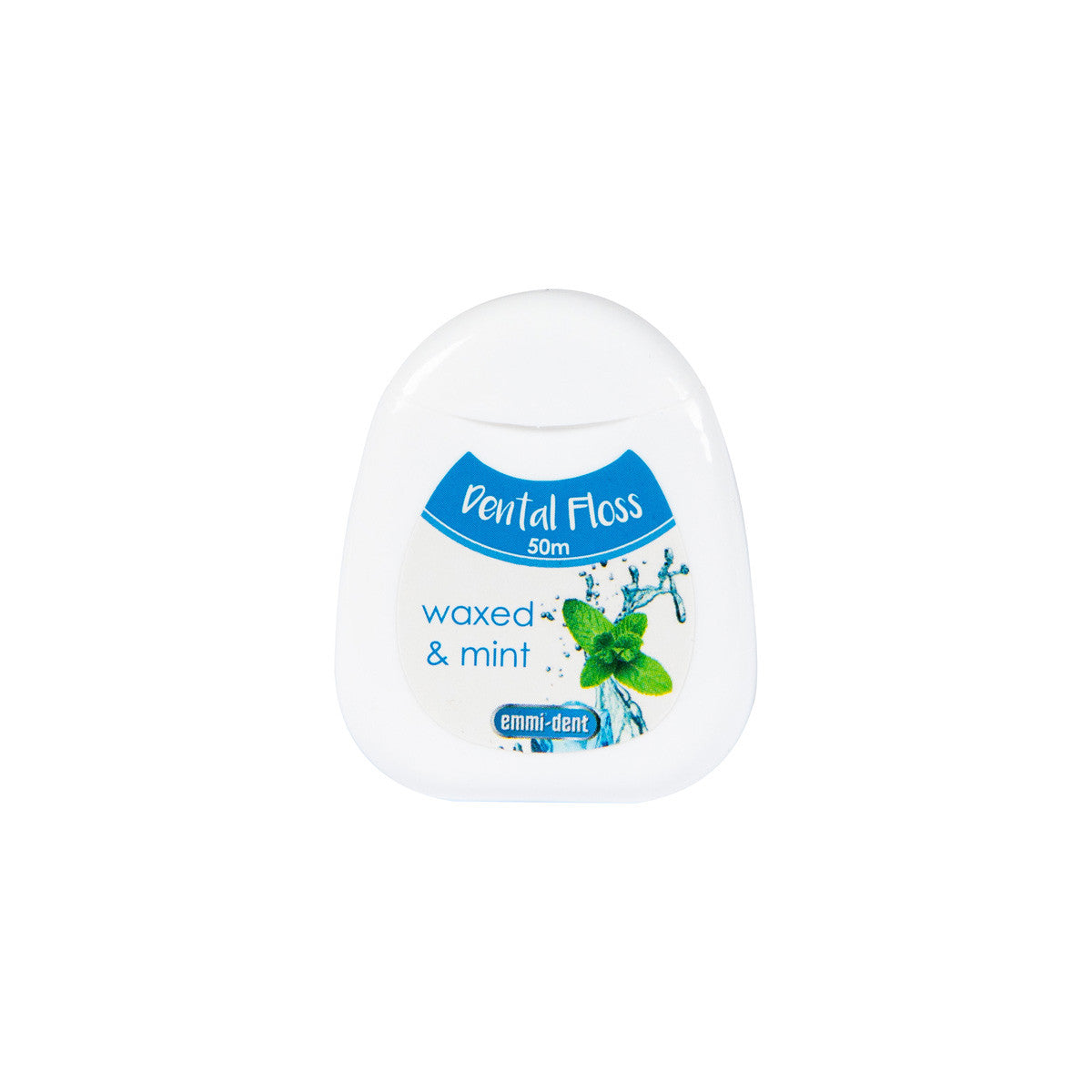
- Using dental floss
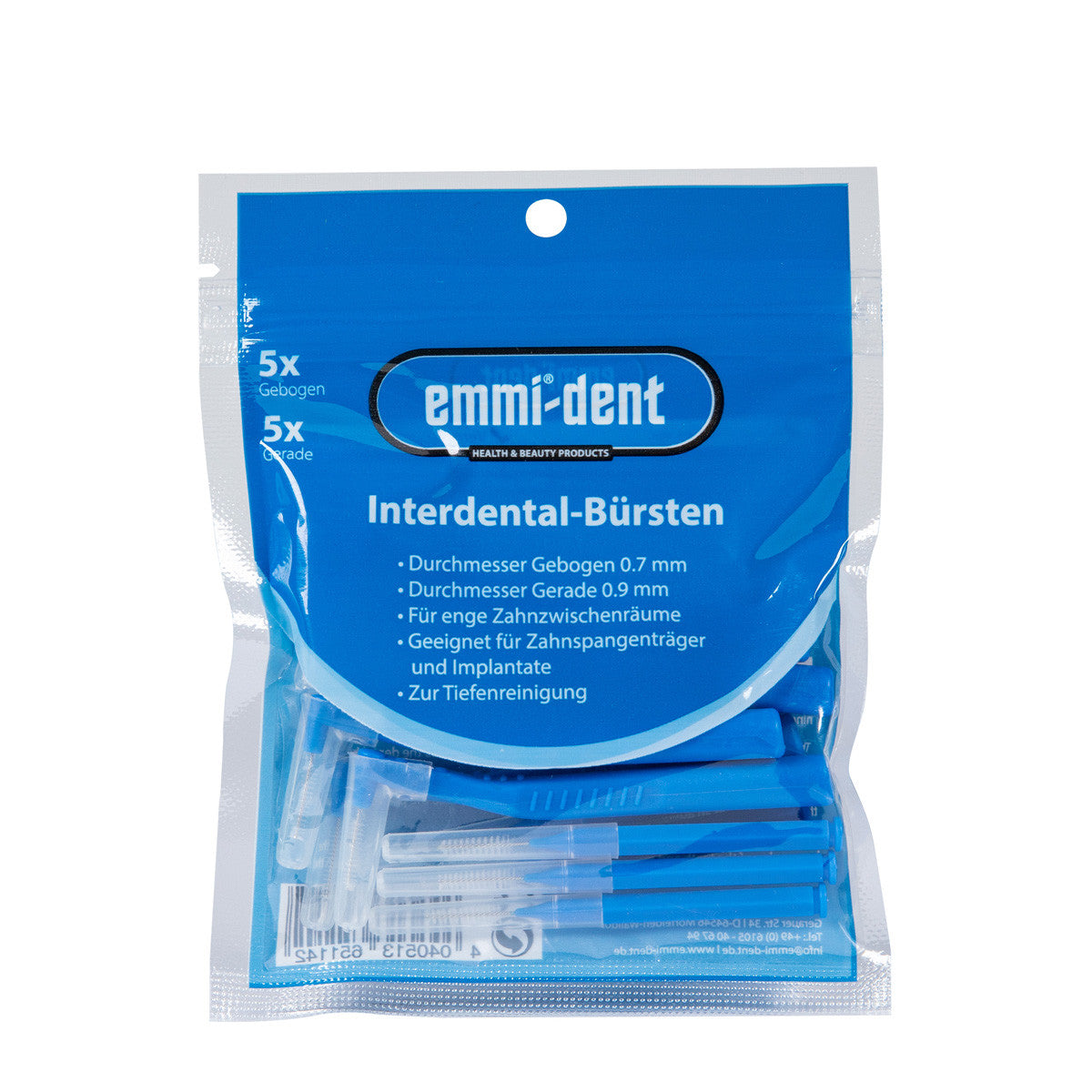
- Using interdental brushes
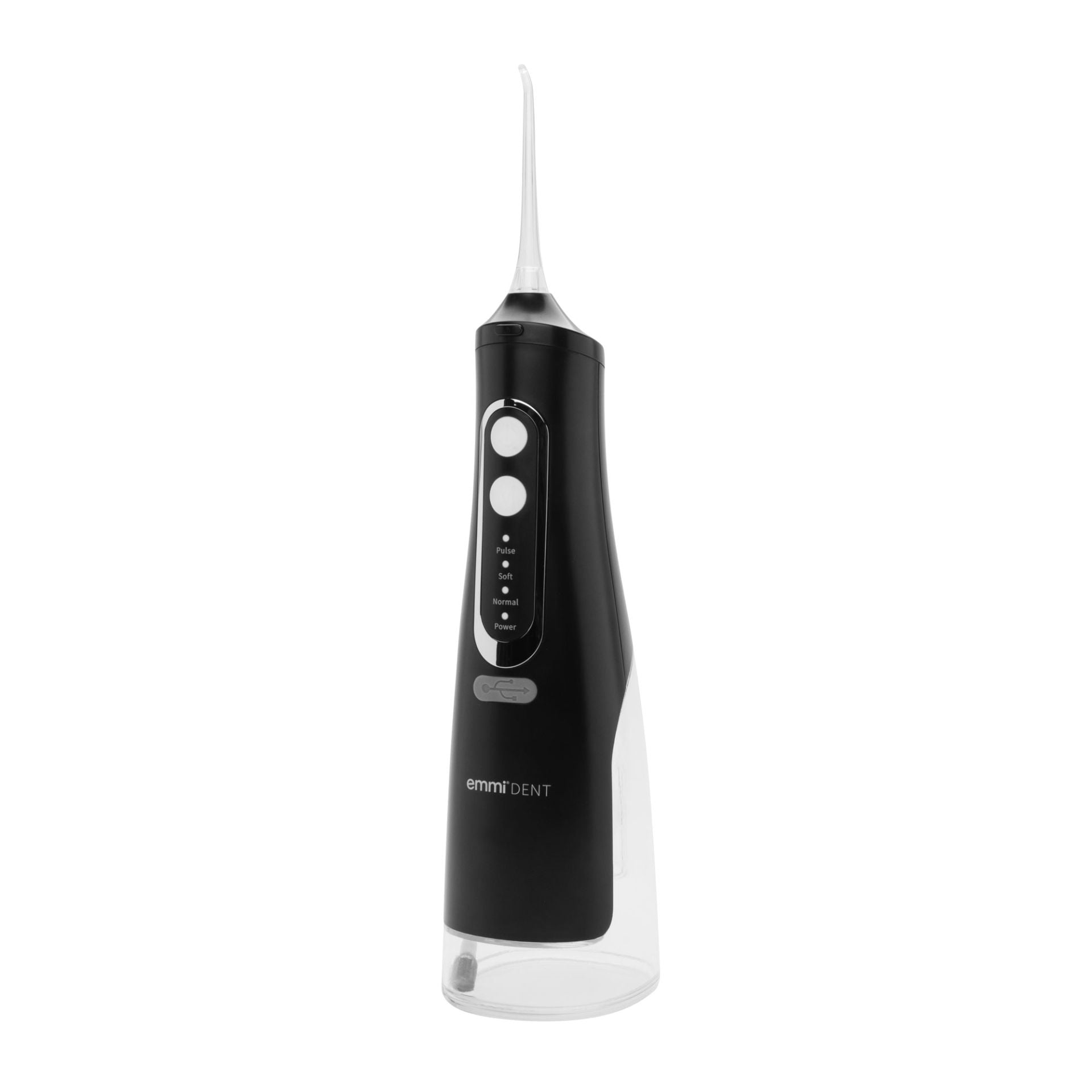
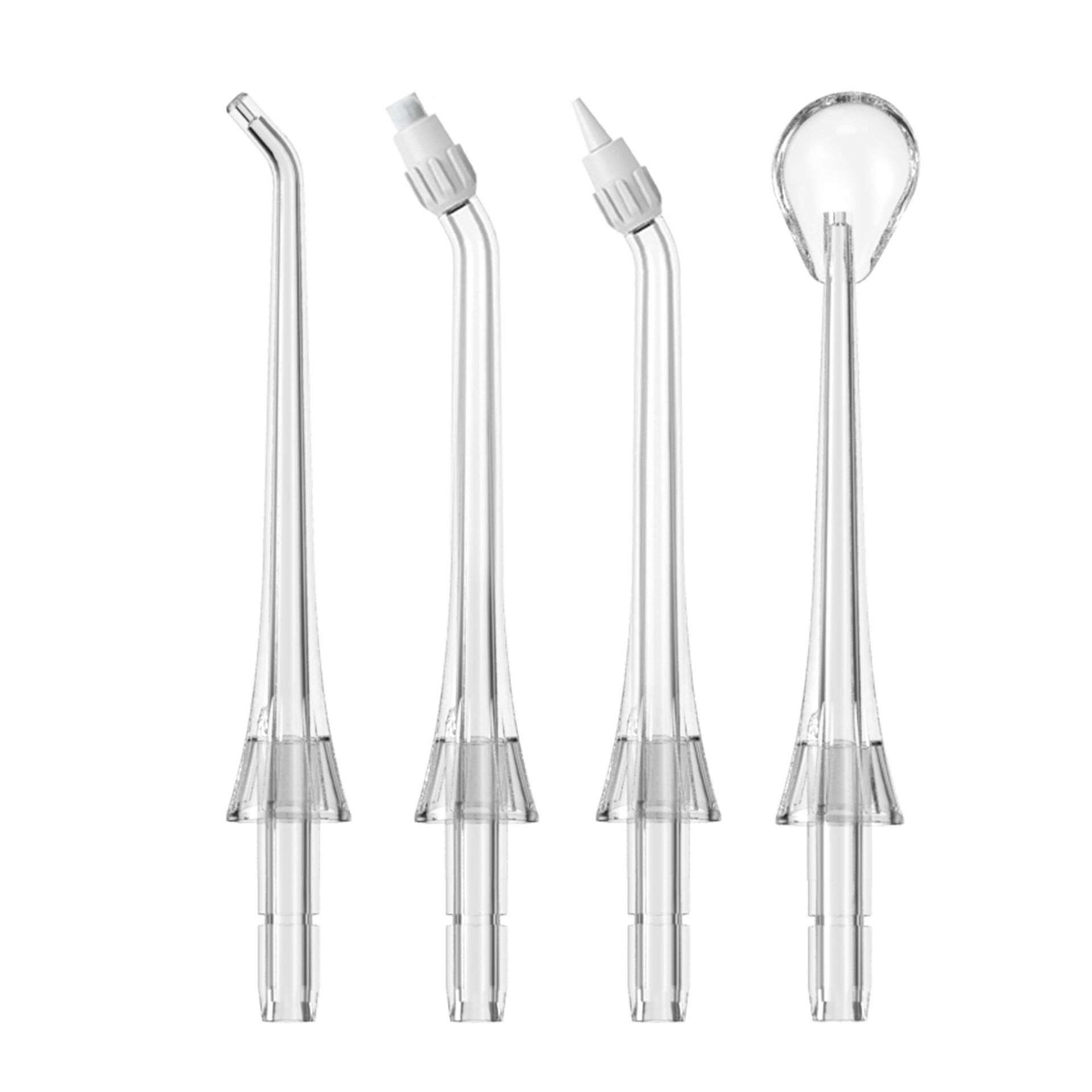
- Using oral irrigators and special toothbrushes
Dental floss is ideal for tight spaces. Interdental brushes efficiently clean larger gaps. Oral irrigators offer an electric solution for easy and thorough cleaning. The choice of method depends on your personal preferences and individual tooth alignment. It's worth trying different options to find the best method for your needs.
How often and when should you clean between your teeth?
How often and when should you clean between your teeth?
To optimally support your dental health, you should clean between your teeth at least once a day. It is best to integrate this habit into your evening routine, as most food residues can then be removed.
Consistent cleaning at a fixed time makes it easier to integrate into your daily life. By cleaning regularly, you effectively prevent dental problems. This consistent care helps to maintain your oral health in the long term.
Cleaning Interdental Spaces: Why is Cleaning So Important?
Interdental spaces are hard-to-reach areas. They provide an ideal breeding ground for bacteria that can cause cavities. Thorough cleaning prevents plaque buildup and prevents cavities.
Untreated plaque can lead to inflammation and gum disease. Gum inflammation is often painful and can increase the risk of periodontitis. In the long term, this can lead to tooth loss.
Here are some benefits of regular cleaning:
- Reduces the risk of gum inflammation
- Prevents cavity formation in difficult areas
- Supports fresh breath and better oral hygiene
A clean mouth not only promotes dental health but also positively impacts overall well-being. Proper care of interdental spaces can prevent expensive dental treatments. The investment in an effective cleaning technique pays off in the long run.
How to Use Dental Floss Correctly: Step-by-Step Guide
Dental floss is a proven tool for cleaning interdental spaces. Used correctly, it effectively removes plaque and food debris. However, its use requires some practice.
Follow these steps for effective application:
- Tear off about 45 cm of dental floss.
- Wrap the ends around your middle fingers.
- Hold the floss taut between your thumbs and index fingers.
- Gently slide the floss between your teeth.
- Form a "C" shape and carefully move the floss up and down.
Avoid jerky movements to prevent injuring your gums. You should also make flossing a daily habit for better oral health.
Brush for Interdental Space: An Overview of Interdental Brushes
Interdental brushes are ideal for larger interdental spaces. They are available in various sizes and allow for deeper cleaning. Application is easy and requires little time.
Benefits include:
- Removal of plaque in larger gaps
- Gentle cleaning for sensitive gums
- Reusable, environmentally friendly
Choose the right size to avoid damage. Gently insert the brush into the interdental space and move it back and forth several times. Rinse the brush thoroughly after use. It complements daily dental care and noticeably improves oral health.
Cleaning Interdental Spaces Electrically: Oral Irrigators & Ultrasonic Toothbrushes
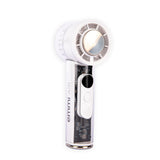
Electric oral care devices offer comfortable solutions. Oral irrigators and ultrasonic toothbrushes are powerful and effective. They facilitate cleaning for people with sensitive gums.
Advantages of these devices are:
- Gentle yet thorough cleaning
- Ideal for sensitive teeth and gums
- Comfortable handling and time-saving
The oral irrigator uses water jets to remove food debris. This is particularly useful for fixed braces. The ultrasonic toothbrush uses ultrasonic vibrations to loosen plaque and works without mechanical scrubbing. Both devices are time-saving and easy to use. They are an investment in your long-term dental health.
Tips for Sensitive Teeth and Gums
Sensitive teeth require special care. Proper dental care can relieve irritation. Choose aids that are gentle on the gums.
Try these tips:
- Use an ultrasonic toothbrush, or a toothbrush with soft bristles
- Opt for fluoride toothpaste for sensitive teeth
- Clean gently and avoid excessive pressure
Also, avoid very hot or cold foods to prevent increasing sensitivity. When brushing your teeth, use a gentle technique. An ultrasonic toothbrush is very suitable here, as it works without vibration and without scrubbing. If you notice severe pain or frequently inflamed gums, you should consult your dentist.
Common Mistakes When Cleaning Interdental Spaces
Have your gums ever bled after flossing? Often, too much pressure is applied. This can irritate and damage the gums. Therefore, avoid these mistakes:
- Applying too much pressure to dental floss or brush
- Not cleaning all interdental spaces or even skipping them
- Using the wrong size of interdental brush
Regular care of the interdental spaces is essential for oral health. Therefore, invest a few minutes daily to ensure the long-term health of your teeth.