












Quando inizia la stagione delle allergie, la maggior parte delle persone pensa subito agli occhi e al naso. Starnuti, naso che cola, prurito, forse una pressione alla testa. Ma ciò che molti notano solo quando diventa davvero fastidioso è la bocca. Improvvisamente tutto si sente più secco, l'alito diventa più velocemente sgradevole, le gengive sembrano più sensibili o la gola gratta costantemente. E poi ci si chiede se ci sia un legame.
In questo articolo ti spiegheremo perché le allergie possono influenzare la salute orale, quali sono gli effetti tipici nella bocca, cosa puoi fare davvero nella vita di tutti i giorni e quando è meglio farsi controllare. Ti mostreremo anche una routine di igiene delicata che in questo periodo è spesso più piacevole, perché pulisce a fondo denti e gengive senza irritare ulteriormente. È importante per noi rimanere realistici. Non tutti i problemi orali durante la stagione delle allergie sono automaticamente causati dall'allergia.
Perché allergie e salute orale possono essere collegate
Il meccanismo più importante è semplice: molti allergici respirano più spesso attraverso la bocca durante la stagione, specialmente di notte. Se il naso è chiuso, è quasi automatico. La respirazione orale secca le mucose. E la saliva in bocca non è solo umidità, ma un fattore protettivo. Lava via, tampona gli acidi e stabilizza la flora orale. Se la bocca è più secca, placca e batteri che causano cattivo odore hanno gioco più facile.
Inoltre, alcuni farmaci antiallergici possono aumentare la secchezza delle fauci. Questa non è una critica ai farmaci, sono estremamente importanti per molte persone. È solo un'indicazione che in questo periodo potresti aver bisogno di un maggiore equilibrio.
E poi ci sono le mucose stesse. Polline e reazioni allergiche possono portare a un'irritabilità generale. Alcuni avvertono una sensazione di bruciore in bocca, una lingua più sensibile, o la sensazione che tutto si irriti più facilmente. Allo stesso tempo, sintomi simili possono anche essere causati da altri fattori, ad esempio una mucosa orale irritata, reflusso, prodotti per l'igiene orale molto aggressivi o un'infezione. Se i sintomi sono nuovi o aumentano in modo significativo, vale la pena dare un secondo sguardo.
Sintomi tipici in bocca: dalla secchezza delle fauci all'alito cattivo
L'alito cattivo può essere più evidente durante la stagione delle allergie, perché la bocca è più secca e la placca si attacca più facilmente. Anche un sapore sgradevole in bocca non è raro, specialmente se c'è anche molta secrezione che scende in gola. Importante qui è la classificazione: questo può accadere, ma non deve essere esclusivamente di origine allergica.
Possono verificarsi anche gonfiori in bocca, sulla lingua o sulle labbra, soprattutto se è in gioco un'allergia crociata, ad esempio con certi tipi di frutta e verdura. Se i gonfiori sono forti, se si aggiunge difficoltà respiratoria o se si ha la sensazione che la gola si restringa, è un'emergenza e deve essere immediatamente valutata dal medico. Questo è raro, ma importante da sapere.
Cosa puoi fare nella vita di tutti i giorni senza stressarti
Il passo più importante è umidificare regolarmente la bocca. Acqua distribuita durante il giorno, non solo grandi quantità occasionalmente. Soprattutto di notte, un bicchiere d'acqua accanto al letto può aiutare. Se il tuo naso è molto colpito, vale anche la pena supportare la respirazione nasale, in modo da respirare meno attraverso la bocca di notte. A seconda della situazione, questo può anche significare evitare il più possibile i fattori scatenanti dell'allergia e concordare un trattamento adeguato con il tuo medico. Meno respirazione orale, meno secchezza.
Anche durante i pasti puoi essere un po' più attento durante la stagione delle allergie. Se noti che alcuni alimenti pizzicano in bocca o irritano le mucose, può essere utile evitarli nella fase acuta o mangiarli cotti. Questo non è un obbligo, ma a volte un vero sollievo.
E un'altra importante verifica della realtà: se hai una secchezza delle fauci molto forte, soffri spesso di afte o hai la sensazione che le mucose siano costantemente irritate, può essere utile non pensare solo al polline, ma anche ad altri fattori scatenanti, come farmaci, disidratazione, problemi di sonno o reflusso. Non tutto può essere risolto con più acqua.
Routine di igiene delicata durante la stagione delle allergie
Quando le mucose sono più sensibili, prodotti molto aggressivi e ricchi di mentolo non sono ideali per alcune persone. Anche i collutori a base di alcol possono avere un effetto più disidratante in questa fase. Un dentifricio neutro e delicato può quindi risultare più piacevole, perché irrita meno.
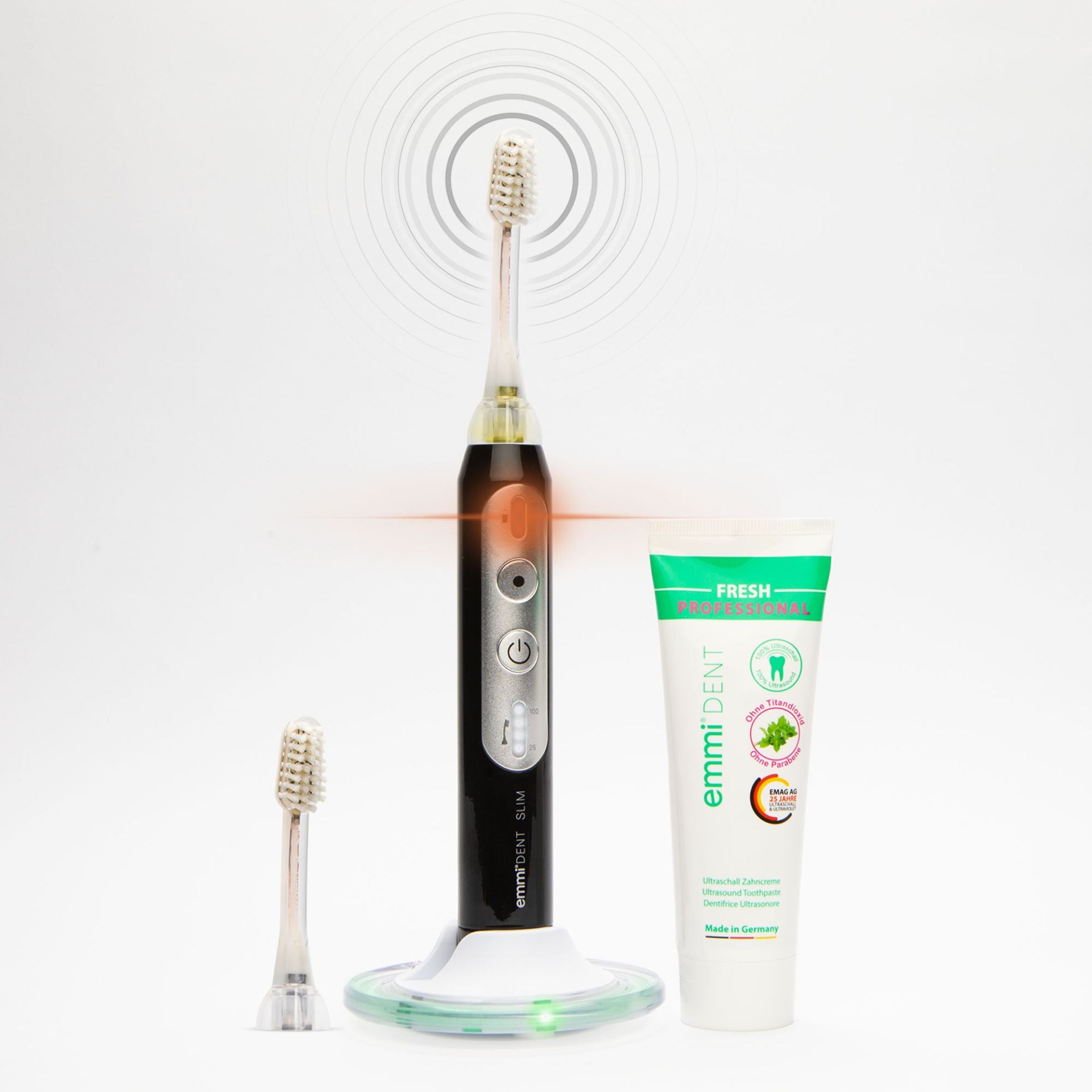
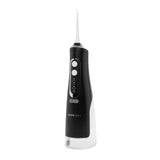
Per la pulizia stessa, è spesso utile ridurre la pressione. Con il nostro emmi-dent Slim puoi pulire senza strofinare meccanicamente. Soprattutto se le gengive sono più sensibili o la bocca è secca, una routine delicata è spesso più gradevole. In combinazione con un dentifricio neutro, hai una base di facile manutenzione che non brucia ulteriormente, ma piuttosto lenisce.
Anche qui è importante l'aspettativa: se la secchezza delle fauci è molto pronunciata, la soluzione principale di solito non risiede nell'igiene dentale, ma nella causa, ad esempio la respirazione, i farmaci o il controllo dell'allergia. L'igiene dentale in questo contesto è un supporto per la salute orale, non la soluzione alla causa.
Se durante la stagione delle allergie hai regolarmente un alito molto cattivo, se le gengive sono chiaramente irritate o se noti dolore e sanguinamento, è opportuno un controllo dentistico. E se hai gonfiori ricorrenti in bocca, sulla lingua o in gola, è importante una valutazione medica per classificare i fattori scatenanti dell'allergia e i rischi. La salute orale è un sistema di allarme precoce, e se qualcosa cambia in modo permanente, la chiarezza è sempre il miglior passo successivo.
Per affrontare bene la stagione delle allergie
La stagione delle allergie spesso colpisce più del solo naso. Secchezza delle fauci, irritazioni e alito cattivo possono verificarsi più facilmente in questo periodo, perché le mucose sono più sensibili e la bocca si secca più rapidamente a causa della respirazione orale. Non devi farne un grande progetto. Spesso bastano piccole modifiche che puoi integrare nella vita quotidiana senza stress. Regolari piccoli sorsi d'acqua, un'attenzione consapevole alla respirazione orale di notte e un'igiene orale che non irrita ulteriormente quando tutto è già più sensibile.
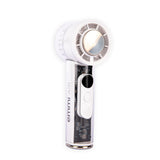
Se noti che il mentolo o prodotti molto "forti" ti provocano bruciore, un dentifricio neutro può essere una base più piacevole. E se tendi a spazzolare con troppa pressione, una routine delicata può aiutare a proteggere il bordo gengivale. La combinazione del nostro emmi-dent Platinum e del dentifricio neutro è una base calma e delicata che spesso si sente meglio in fasi sensibili. Questo non è un trattamento per le allergie, ma può aiutarti a mantenere la tua igiene orale in modo costante e piacevole durante questo periodo.
E un altro pensiero importante che porta molta tranquillità: se i sintomi in bocca diventano forti, nuovi o insoliti, per favore, falli controllare da un medico o da un dentista. Così saprai con certezza se è davvero "solo" la stagione delle allergie o se c'è qualcos'altro dietro.